Asia Community-Centred Connectivity Bootcamp

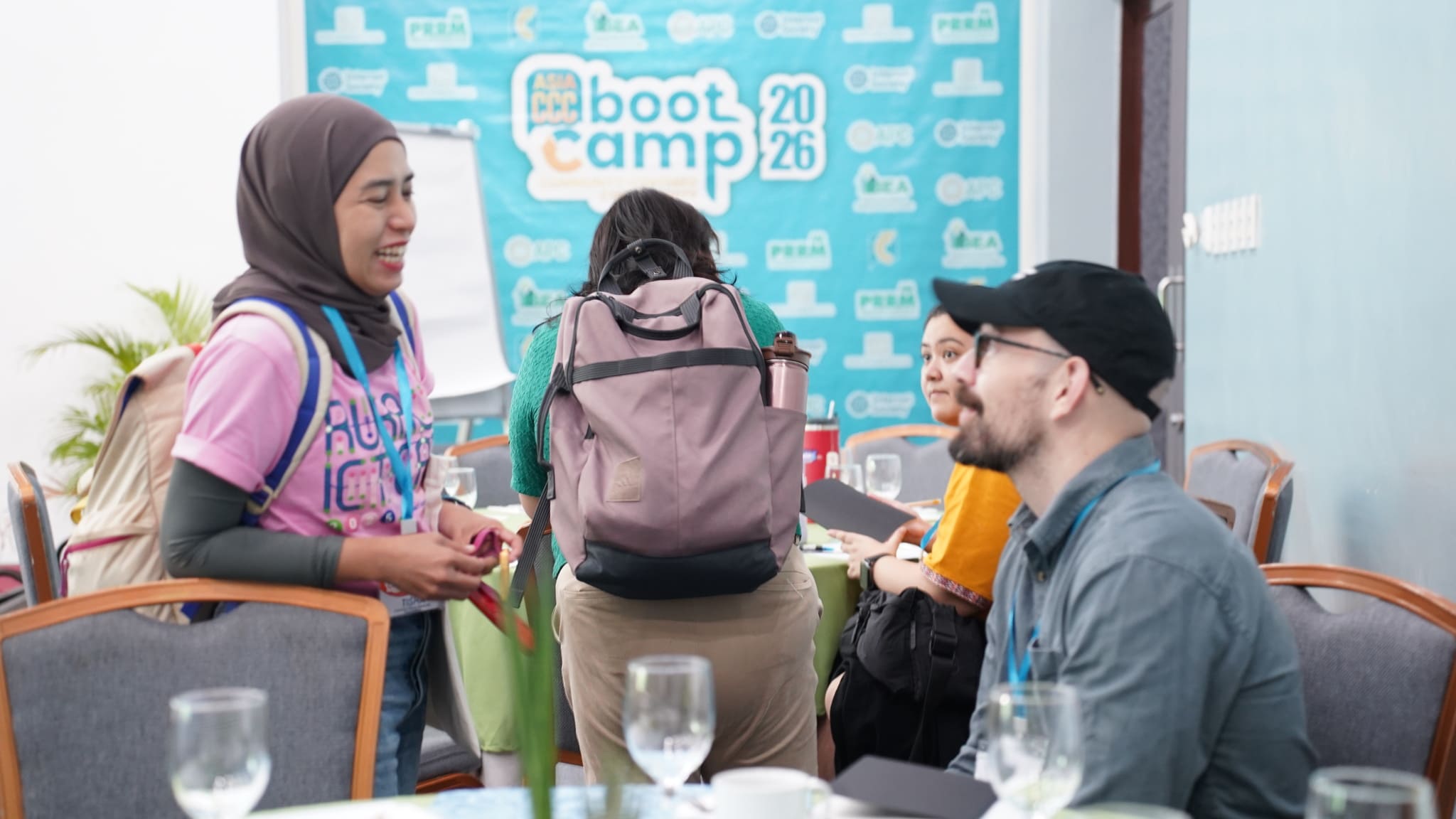
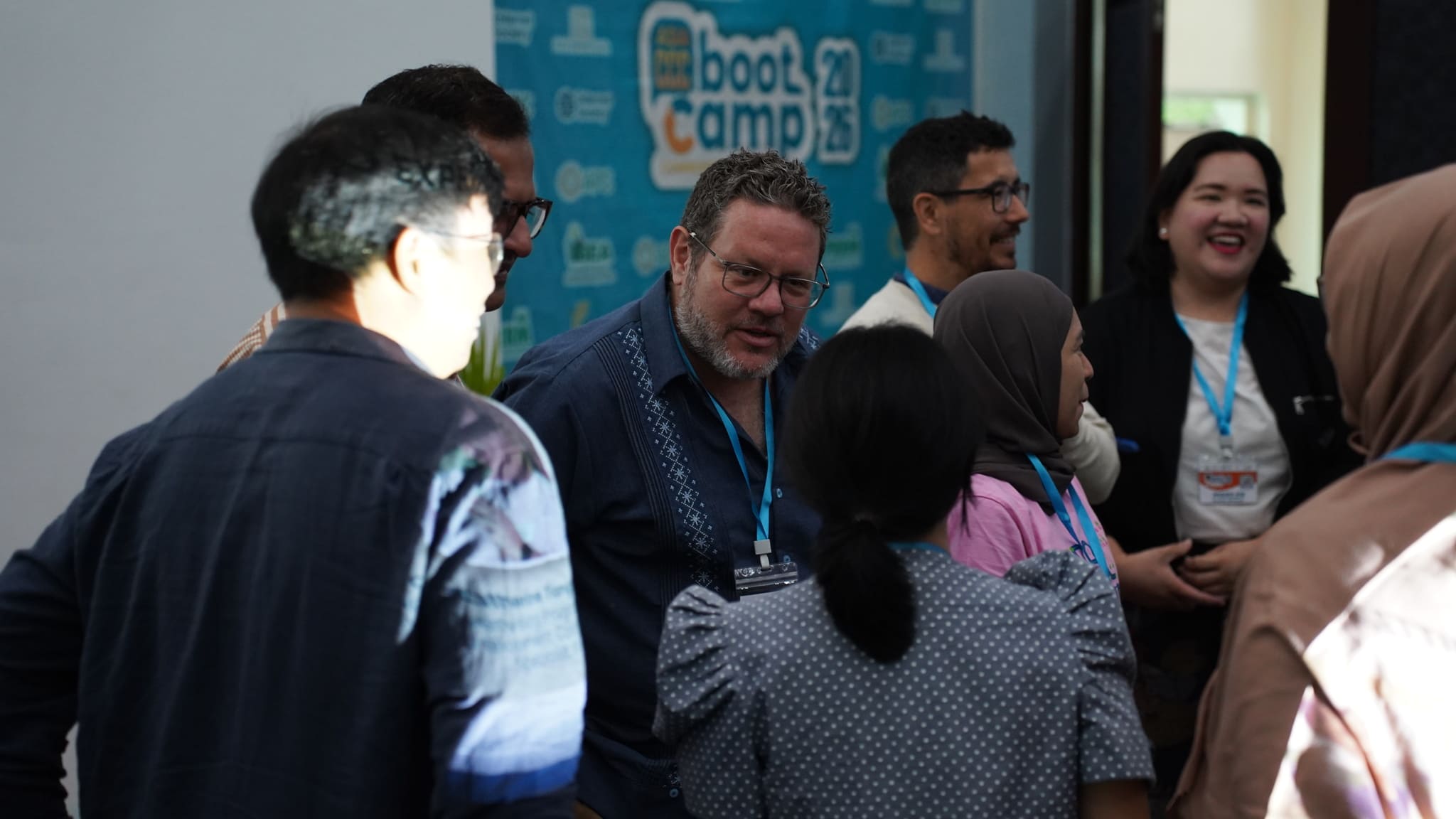
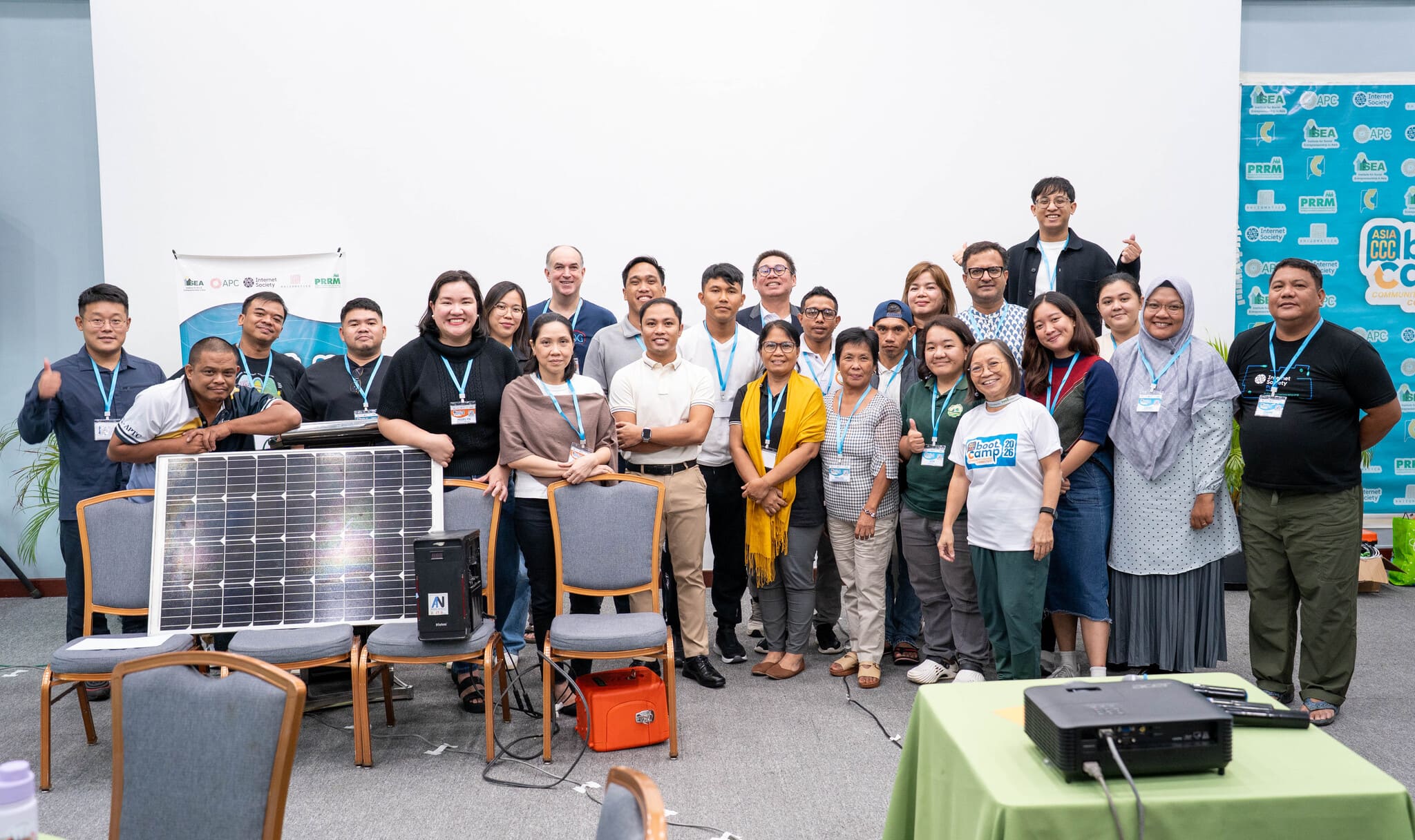
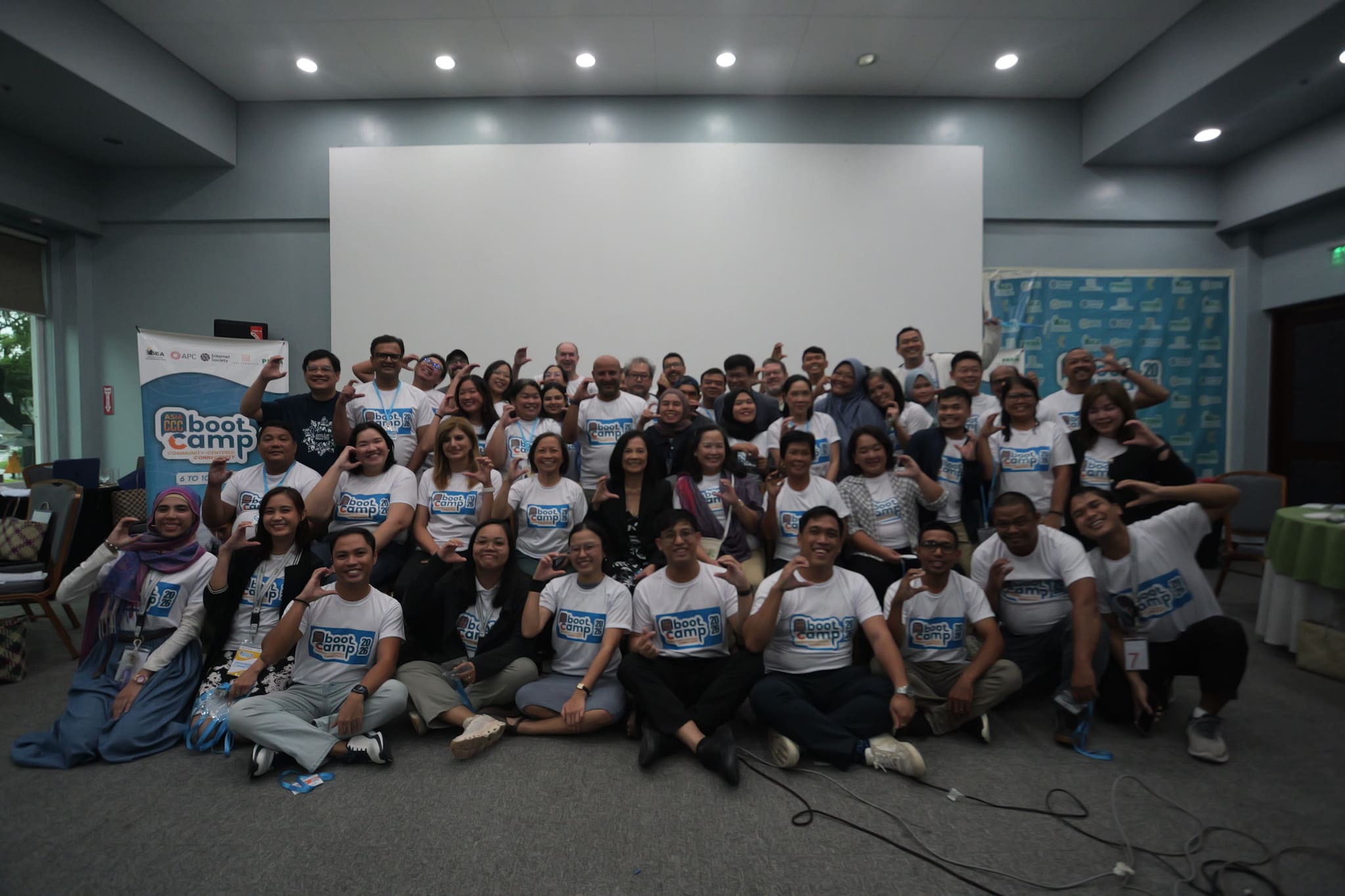
The first Asia Community-Centred Connectivity (CCC) Bootcamp took place from 6 to 10 August 2026 in Quezon City, Philippines. Over five days, 72 participants from 17 countries came together for collaborative learning, knowledge exchange and capacity building to strengthen community-centred connectivity initiatives (CCCIs) and help bridge the digital divide in the region.


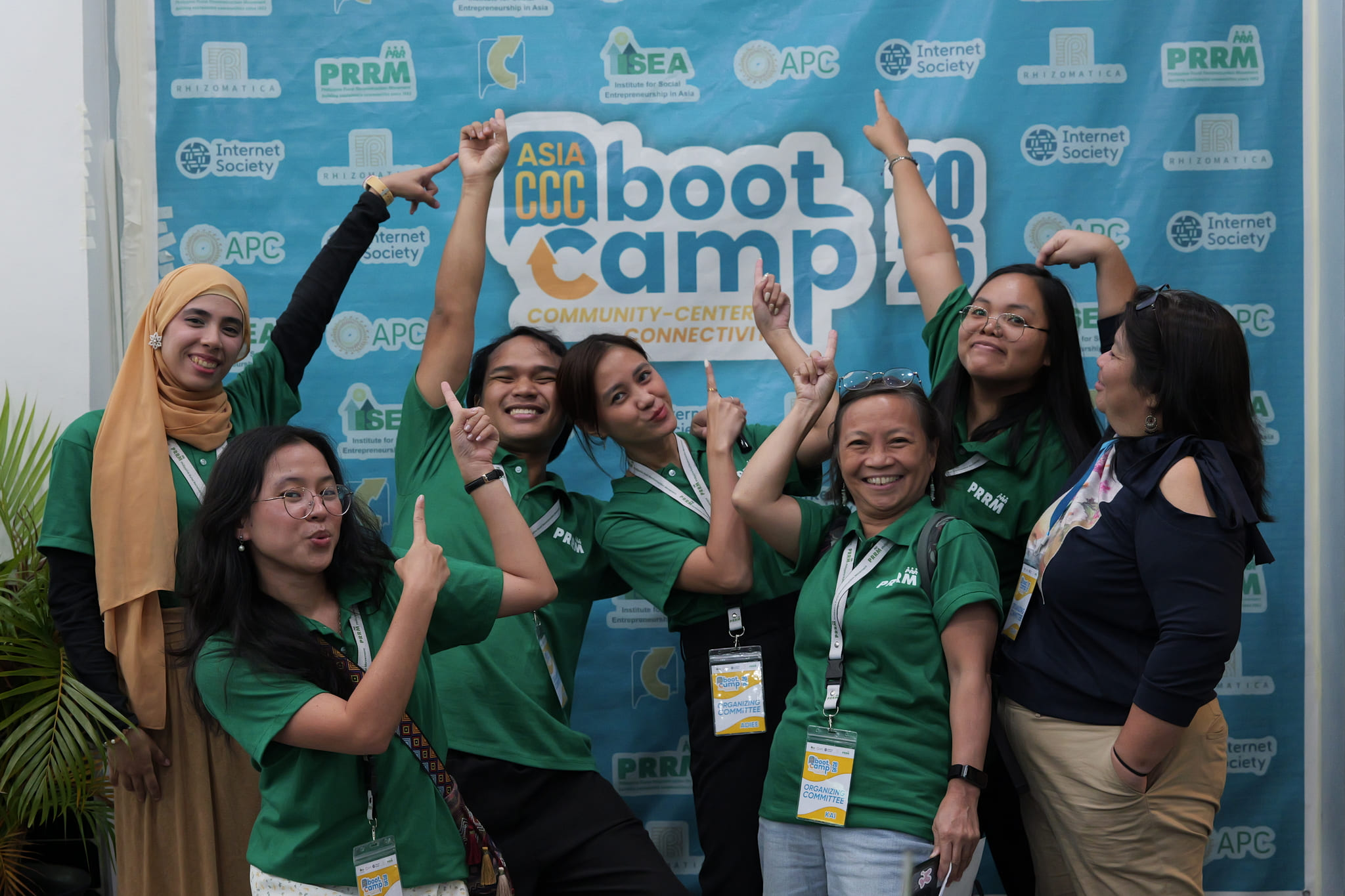
The Bootcamp was convened by the Philippine Rural Reconstruction Movement (PRRM), the Institute for Social Entrepreneurship in Asia (ISEA), the Internet Society (ISOC), and the Association for Progressive Communications (APC) and Rhizomatica through the LocNet initiative.

It aimed to:

  • Build a shared understanding of community-centred connectivity, its principles and its different models.
  • Strengthen technical knowledge and practical skills for designing, configuring and troubleshooting community networks.
  • Deepen understanding of sustainability, social impact, and the policy and regulatory environment.
  • Promote gender-responsive and inclusive approaches to connectivity.
  • Facilitate peer learning and regional knowledge exchange.
  • Support continued learning and collaboration beyond the Bootcamp.

Inside the Bootcamp

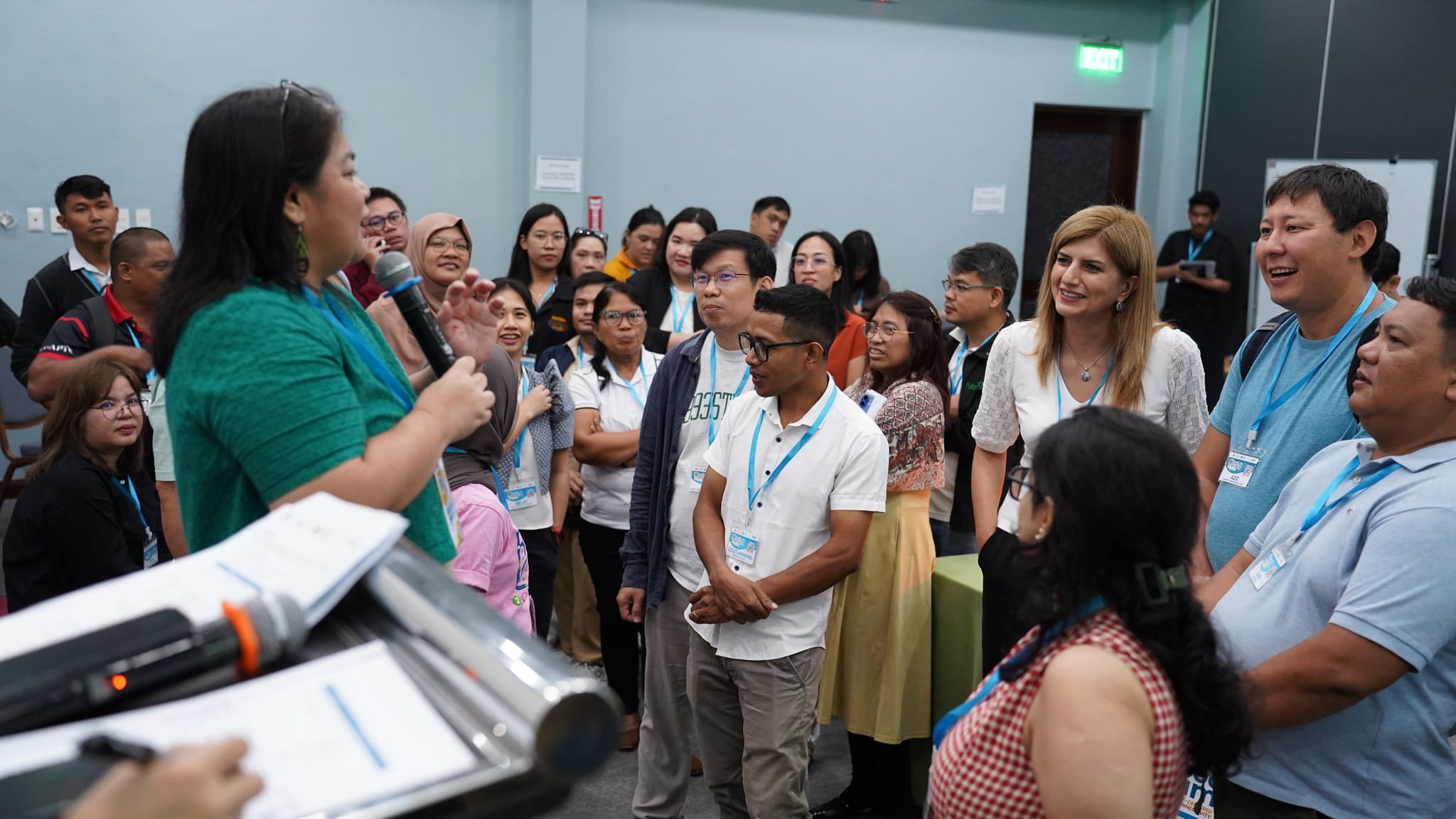
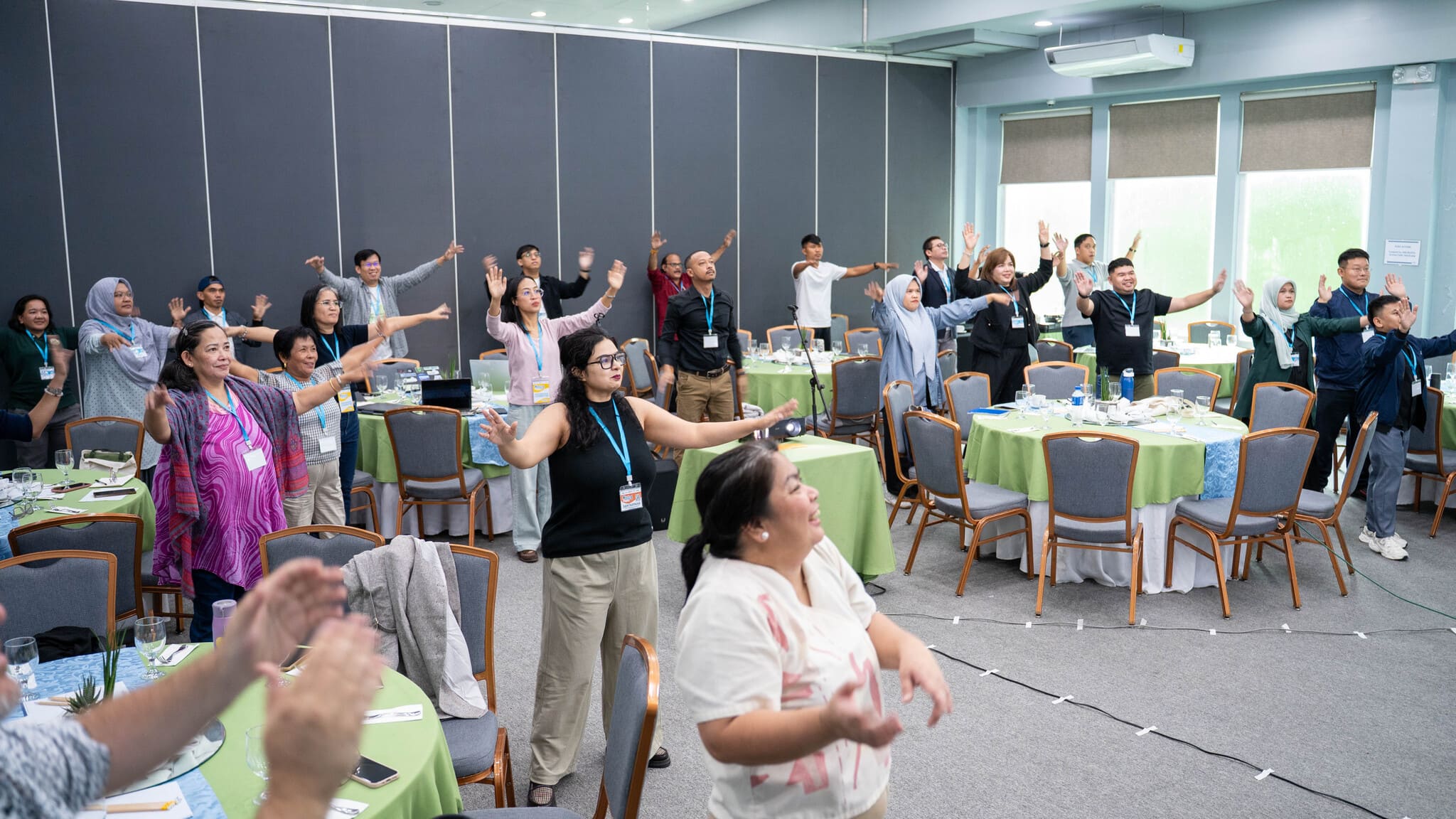
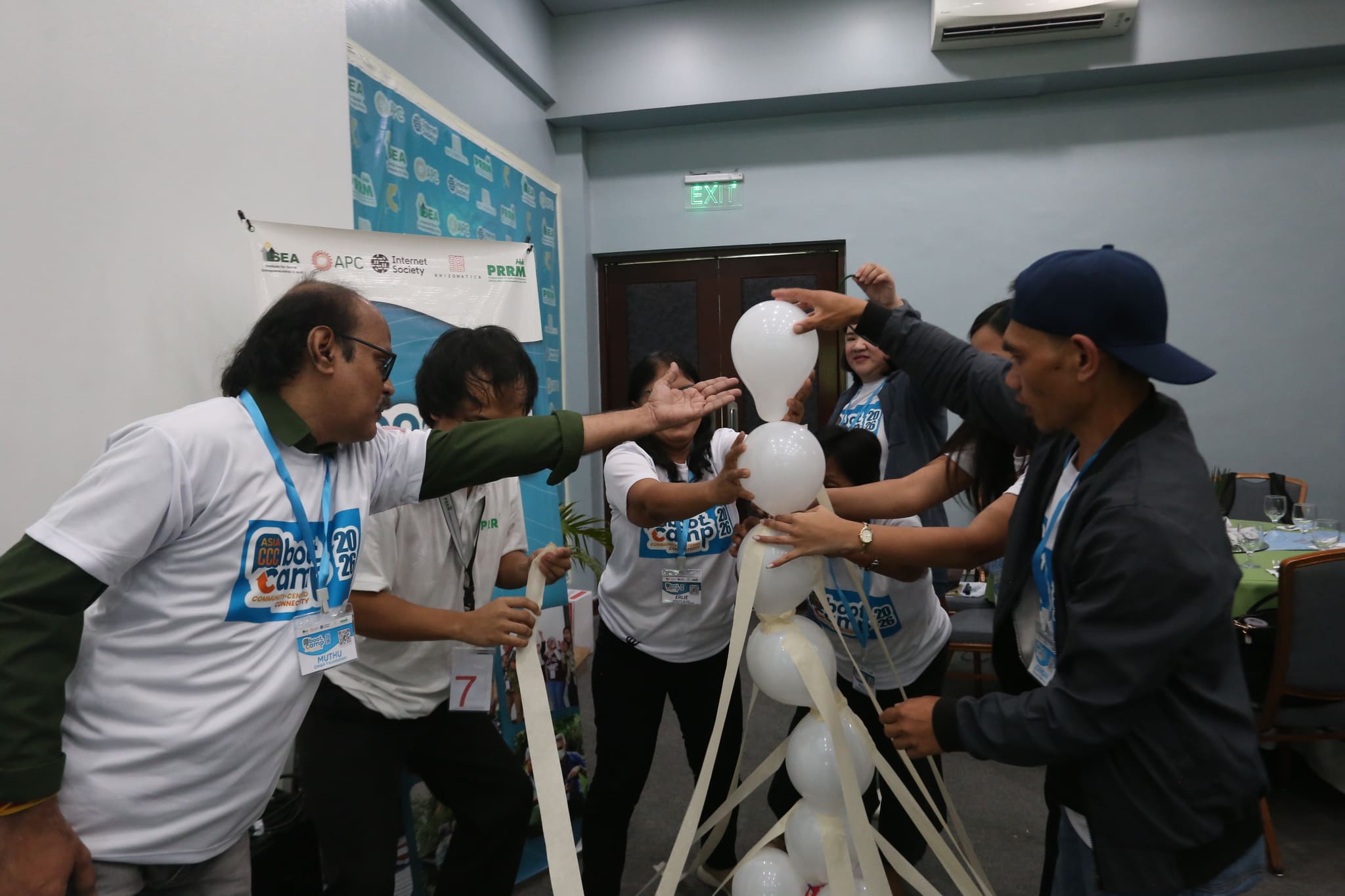
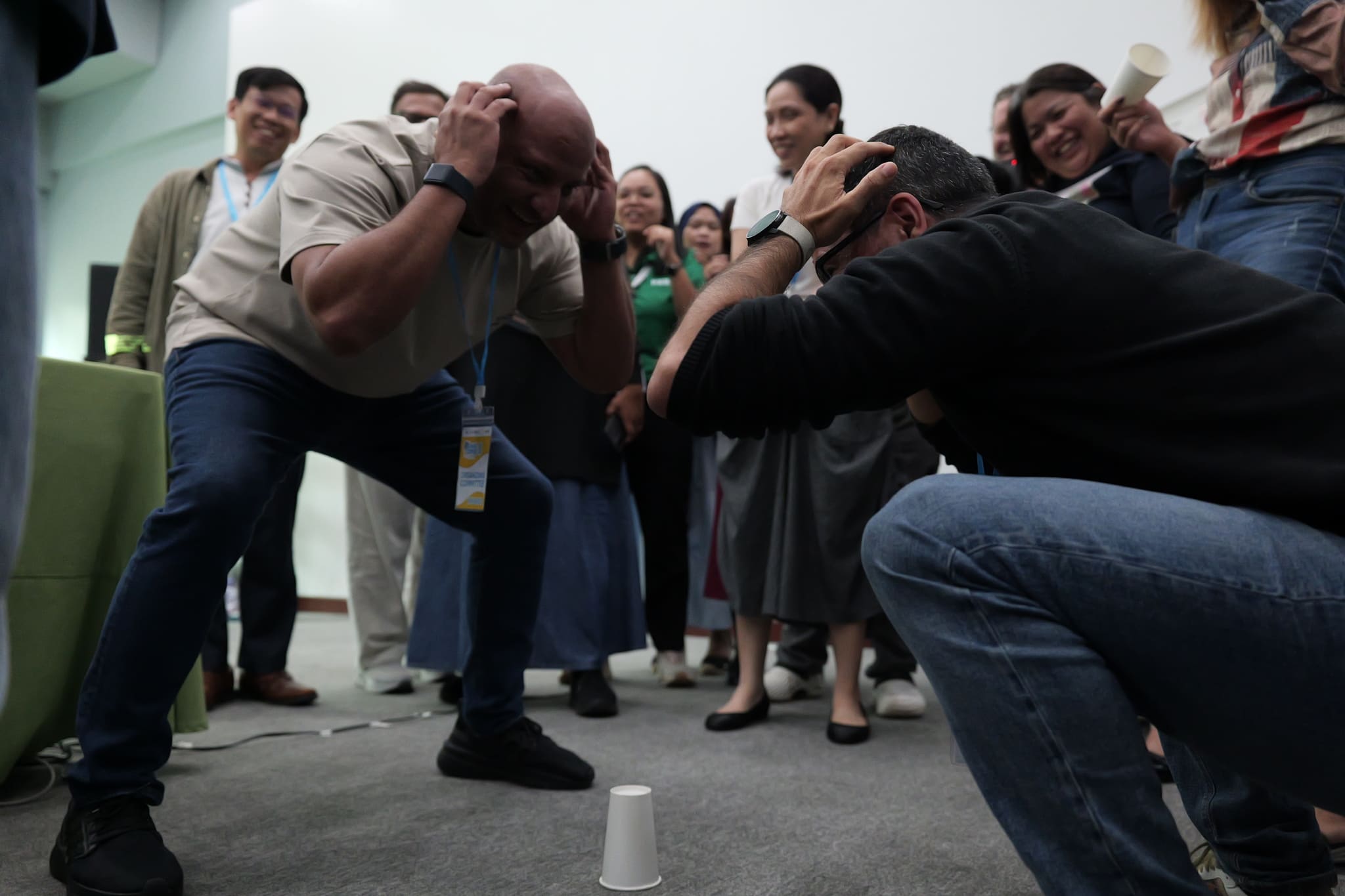
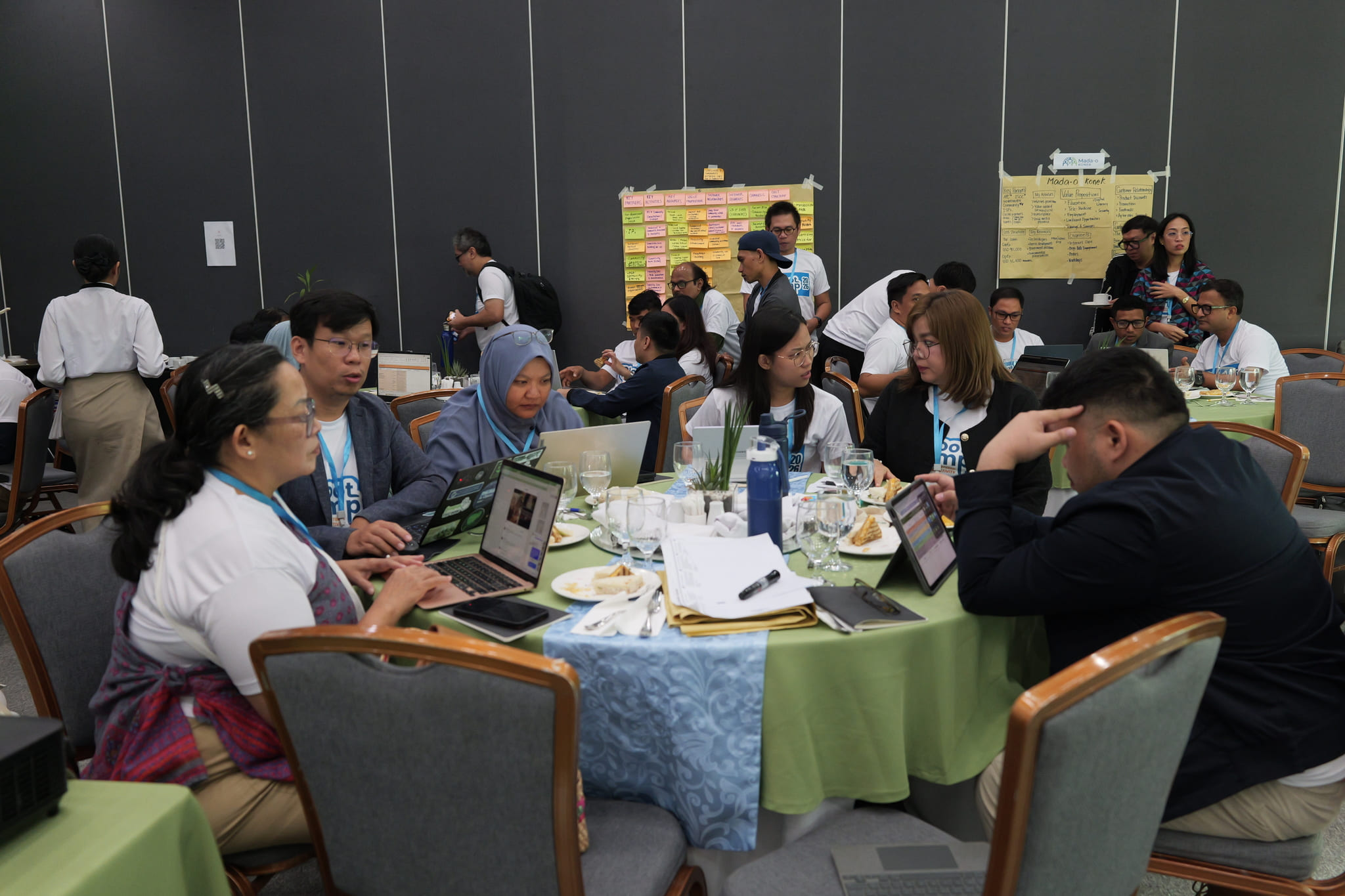
Sessions combined plenary discussions, technical workshops, practical demonstrations, group exercises and reflection.
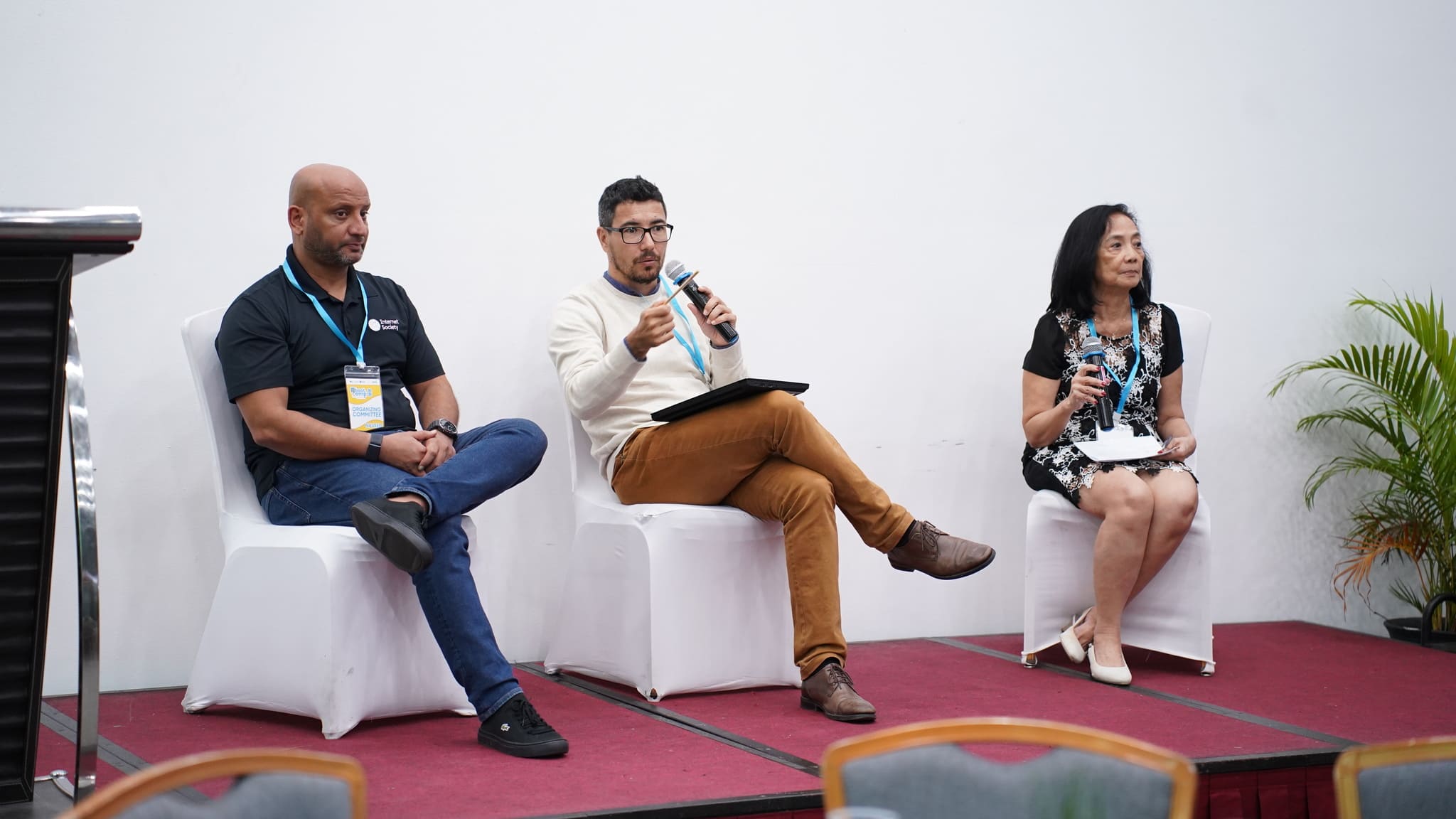
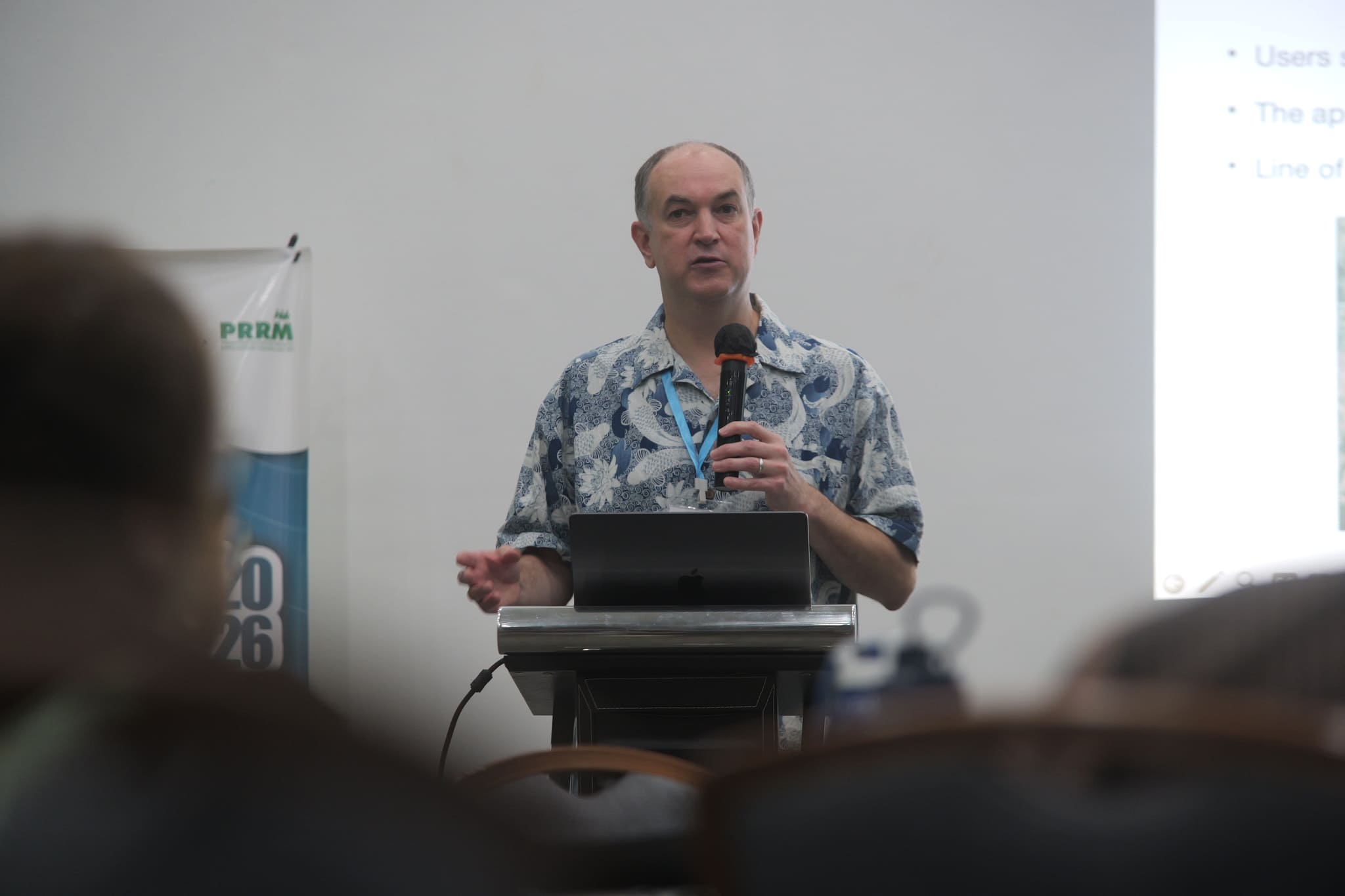
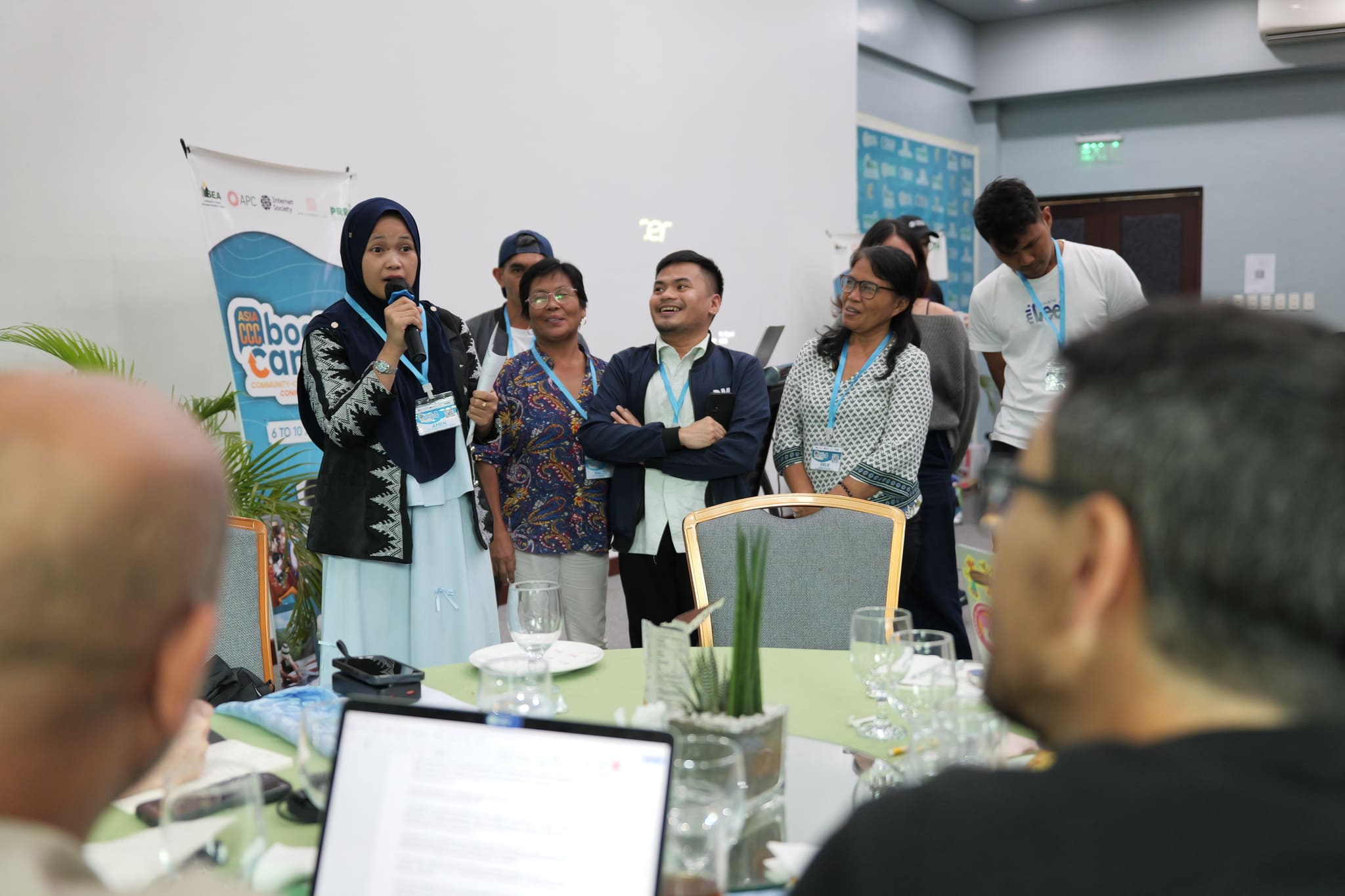
  • Understanding CCCIs. The opening panel featured Carlos Rey-Moreno (LocNet/APC) and Naveed Haq (Internet Society), moderated by Dr. Marie Lisa Dacanay (ISEA). It set out what CCCIs are and how they complement other efforts to bridge the digital divide.
  • Policy and regulation. A panel on the Philippines’ Konektadong Pinoy Act showed what policy recognition of community-based networks can look like. It was moderated by Winthrop Yu (ISOC Philippines Chapter), with Grace Mirandilla-Santos (Better Internet PH), Atty. Krystal Uy (Department of Finance), Michael Gorospe (DICT) and Jeffrey Llanto (CVISNET).
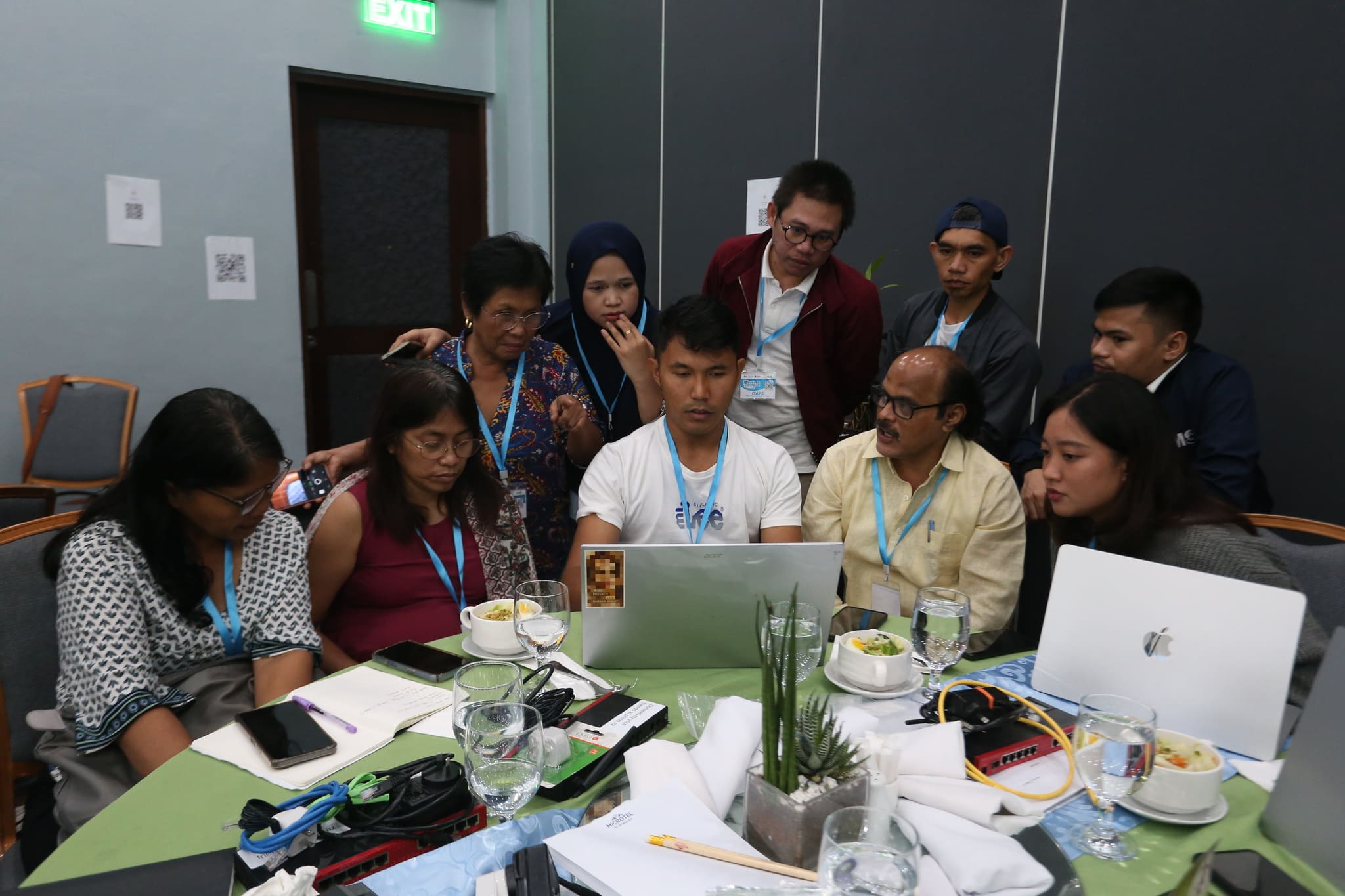
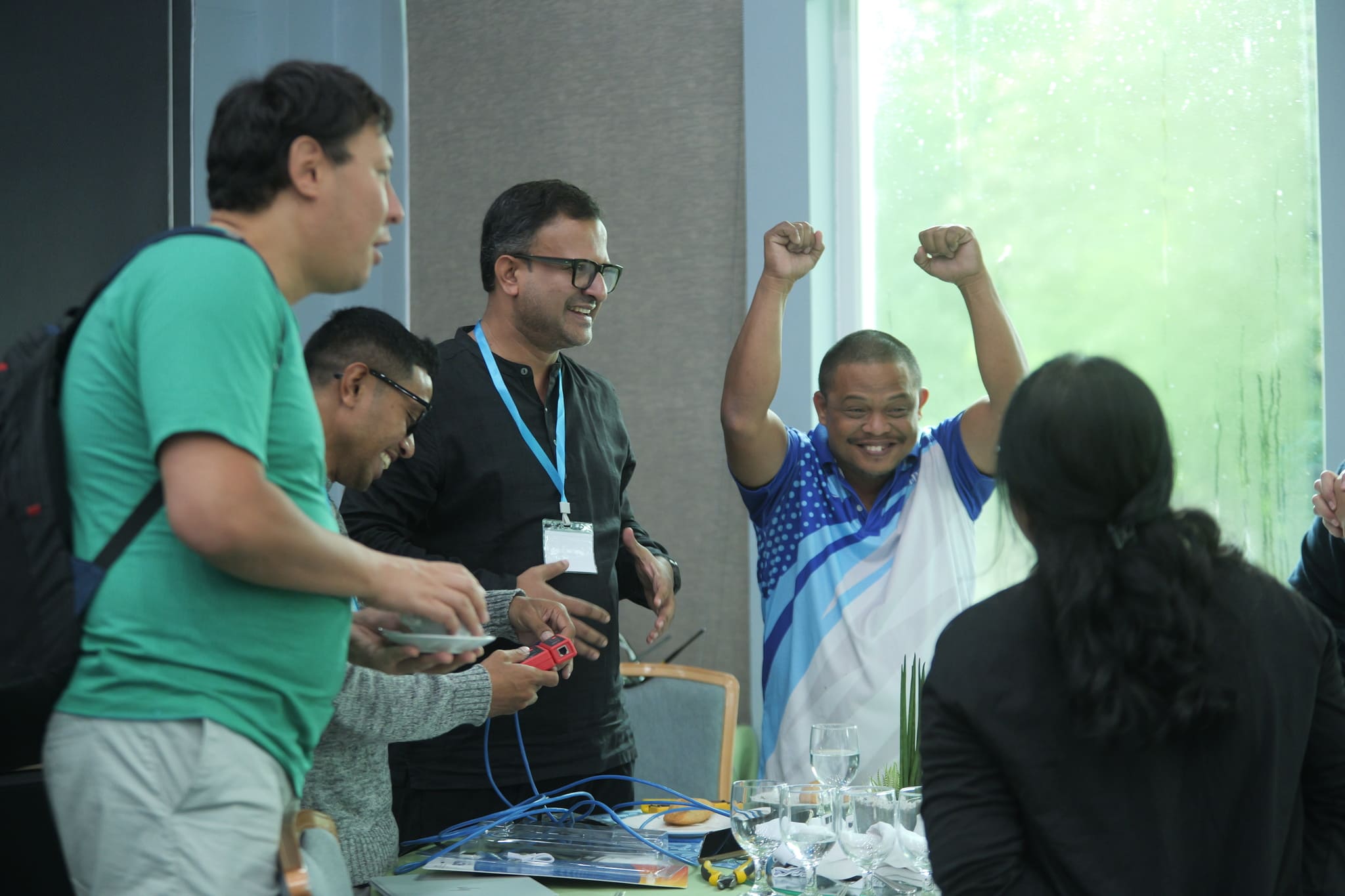
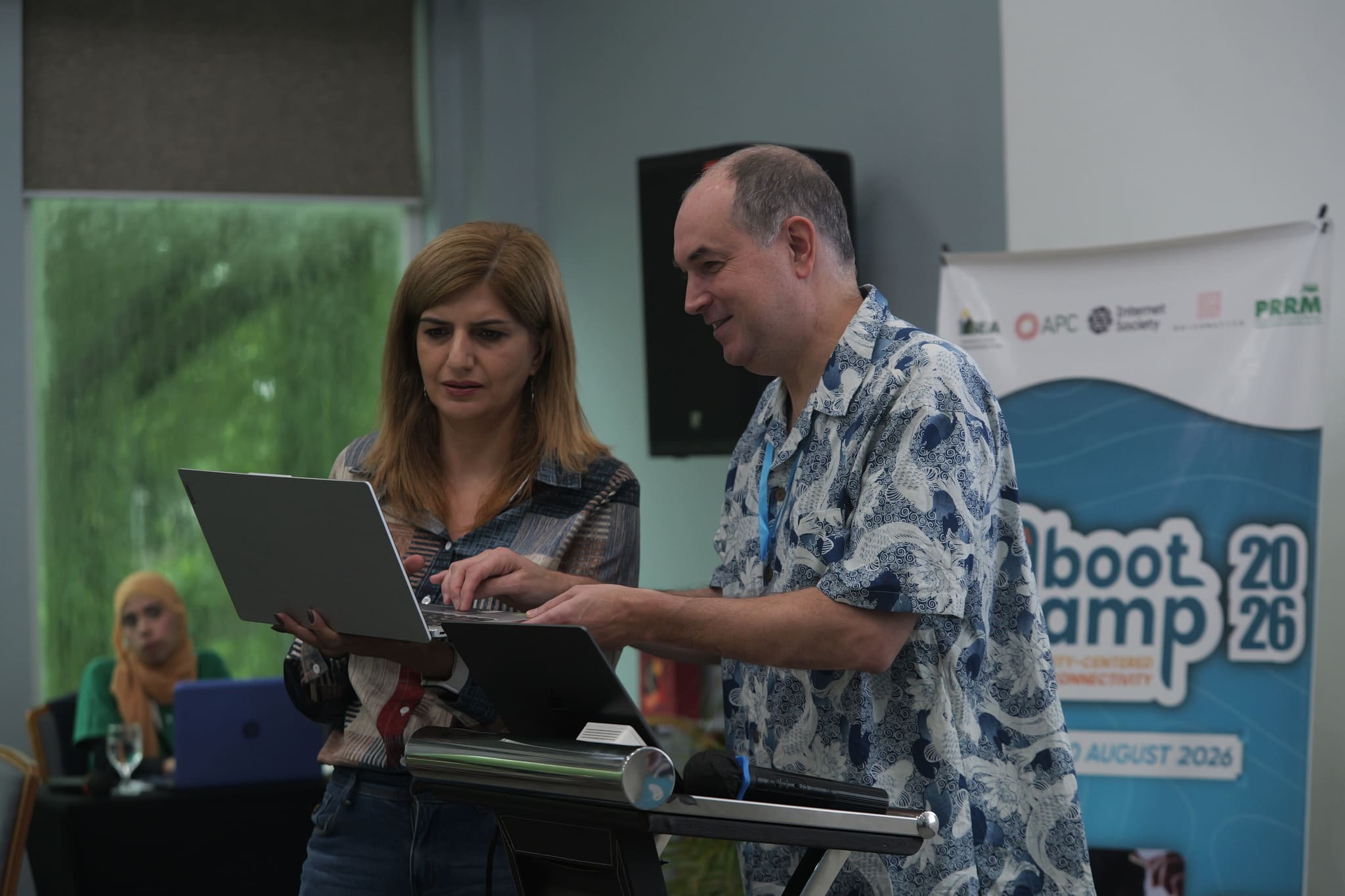
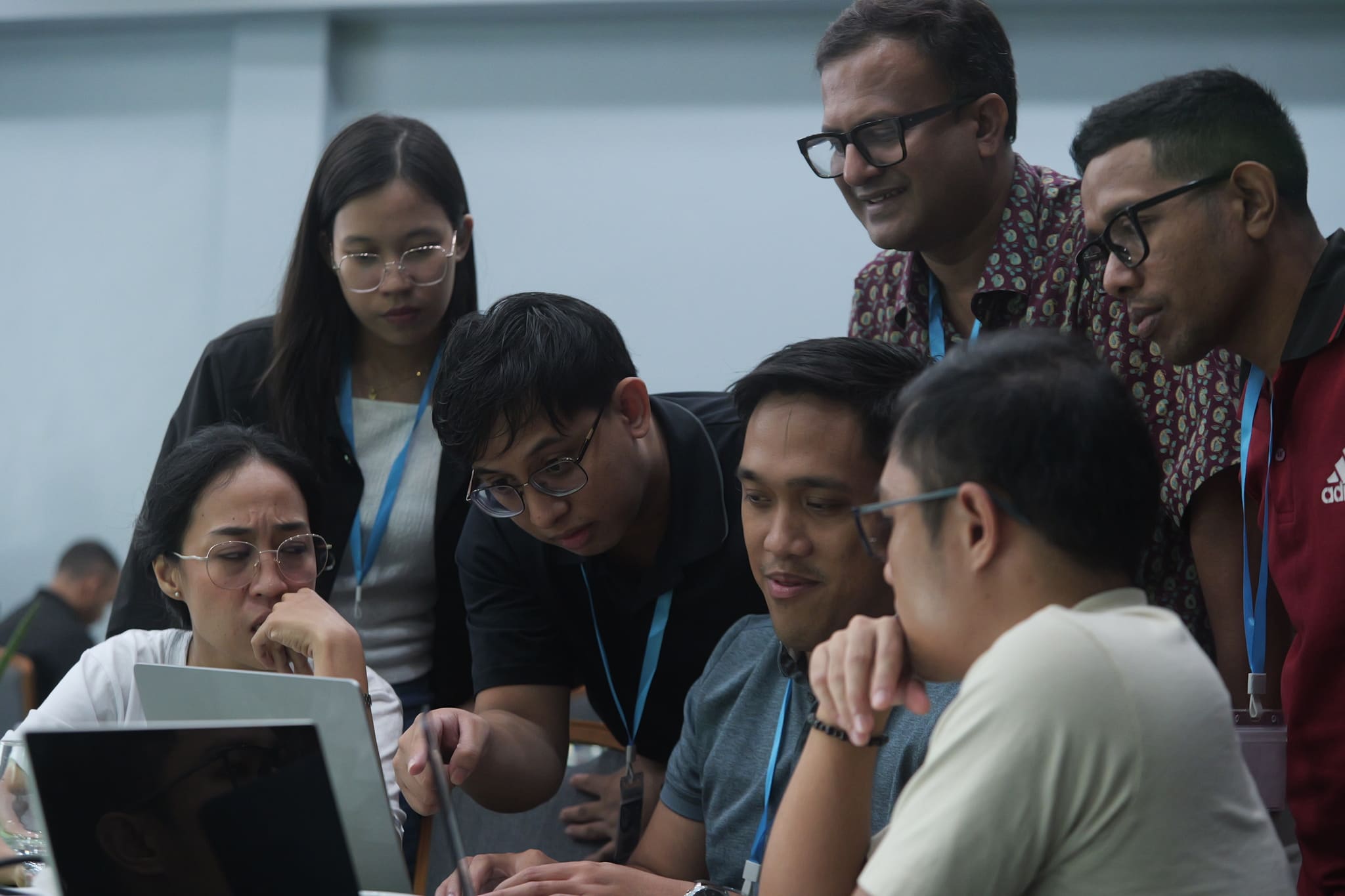
  • Technical track. Sessions covered networking fundamentals with a Starlink demonstration, practical community connectivity, network design, network management, and solar energy for community connectivity. Resource persons came from CVISNET, DOST-ASTI, Nexlogic, Telco2 and Access Network. In the Village Network Challenge, groups built and troubleshot a working network with MikroTik routers, including cable preparation and simulated failures such as a power outage.
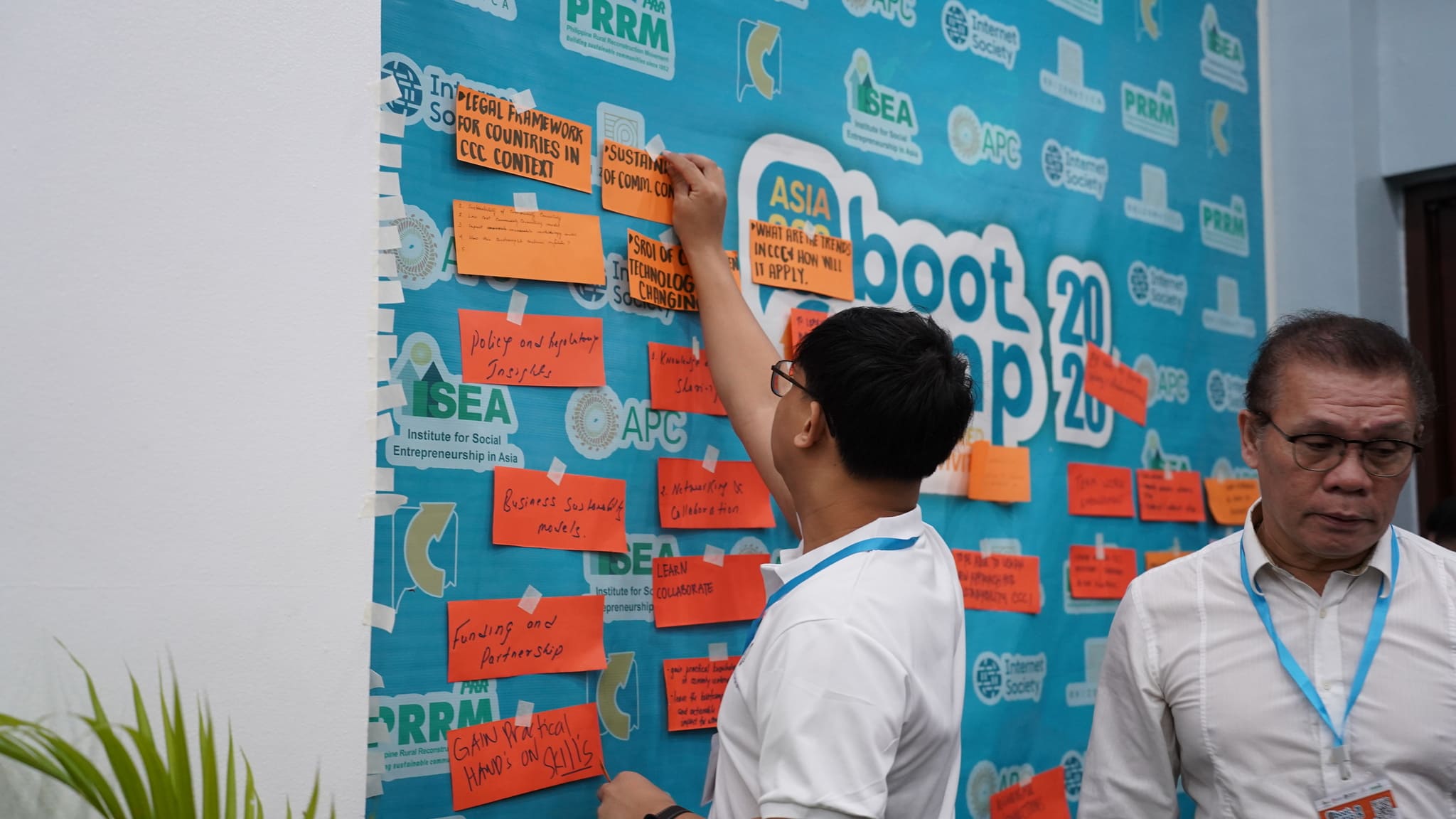
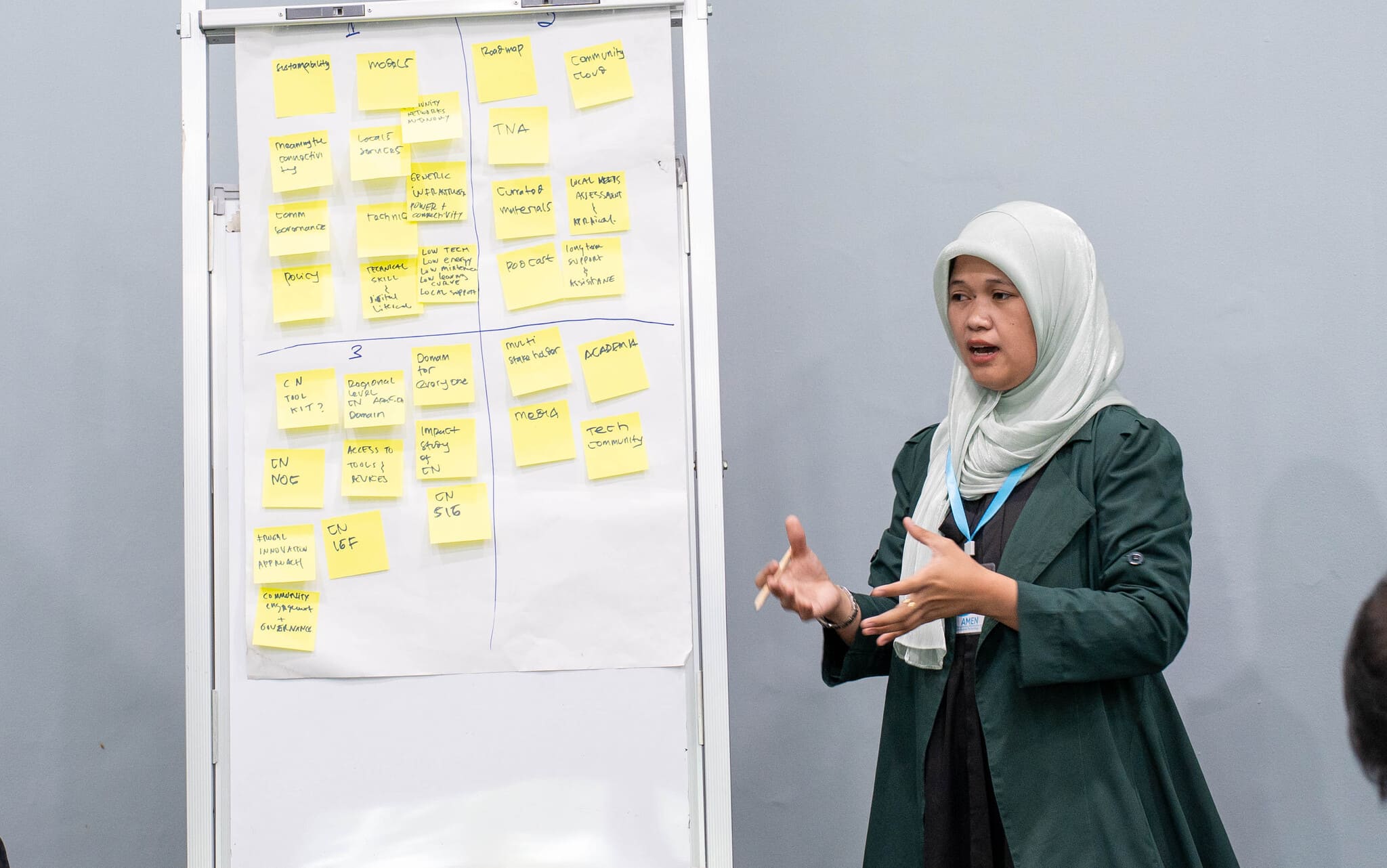
  • Regional track. Running in parallel on the first two days, this track focused on movement building among CCCIs in Asia-Pacific. Participants shared successes and challenges, mapped their networks and support ecosystem, identified capacity building needs, and proposed an Asia CCCI community of practice.
  • Disaster and emergency communications. Moderated by Benjz Gerard Sevilla (unconnected.org), with Athea Peñaloza (A-PAD Philippines), Gustaff Iskandar (Common Room Indonesia) and Kenneth Santiañez (CVISNET), this session examined the role of community networks in disaster preparedness, response and recovery.
  • Gender and CCCIs. A plenary on strengthening gender integration shared practices and tools from ISEA, PRRM, BAIF Development Research Foundation, the Federation of People’s Sustainable Development Cooperative and Common Room Indonesia.
  • Financial sustainability and business models. Participants explored the Community Network Builder and Financial Builder application (Telco2), the business model canvas for designing a CCCI as a social enterprise (ISEA), networking and the elevator pitch (CNDF), and Internet Society grant programmes.
  • Social impact. On the final day, Dr. Marie Lisa Dacanay introduced Development Indexing (DI) and Social Return on Investment (SROI). Participants piloted the DI Scorecard on their own initiatives and gave feedback to improve the tool.
  • Closing. A peer-learning session consolidated learnings and recommendations for future bootcamps, followed by the awarding of certificates.

Who Joined the Bootcamp

Participants
Organisations
0
Countries
0

They included community connectivity practitioners and operators, government representatives, civil society organisations, researchers and advocates.

Fifteen of the countries are in Asia-Pacific:

  • Southeast Asia: Cambodia, Indonesia, Laos, Malaysia, Myanmar, Philippines, Thailand, Timor-Leste
  • South Asia: India, Nepal, Pakistan
  • Central Asia: Quirguistão
  • East Asia: China
  • West Asia: Armênia
  • Oceania: Nova Zelândia


Three attendees joined from outside the region (Spain and Mexico).

Bootcamp Gallery

2026 Edition

Partners & Ecosystem

Partner Organizations

  • Philippine Rural Reconstruction Movement (PRRM): local host and logistics partner in the Philippines.
  • Institute for Social Entrepreneurship in Asia (ISEA): led the sessions on gender, business models and social impact measurement.
  • Internet Society (ISOC): co-organiser, contributing to programme design, the opening panel and the session on grant programmes.
  • Association for Progressive Communications (APC) and Rhizomatica: co-organisers through the LocNet initiative, anchoring the technical and regional tracks.

Inside the Bootcamp

Build Technical Skills

Learn from Peers

Visit Community Initiatives

Engage in Regional Policy Dialogue

Strengthen Community Media

Develop Community Projects

Programme at a Glance

Participants
0 +
Countries
0
Programme editions
0

Timeline

A programme that has grown with the region

From its origins in Mexico, the programme has progressively expanded to bring togetherparticipants, organizations, and Indigenous communities from across Latin America,strengthening a regional community of practice that continues to grow with each edition.

Tecnologia Comunitária

2019–2021

Latin American Regional Programme

2023–2024

Latin American Regional Programme

2016–2019

Latin American Regional Programme

2022

Latin American Regional Programme

2025–2026 (Current edition)

Programme Impact

The programme generates lasting impact beyond the training itself, strengthening both local initiatives and a growing regional community of practice.

An independent impact evaluation found that:

Impact Highlights

Improved technical and organizational capacities
0 %
Applied learning in community projects
0 %
Reported positive impacts in their communities
0 %
Shared knowledge with colleagues and community members
0 %

Community Impact

Graduates have gone on to:

• Deploy and strengthen community networks.
• Expand community radio and local communication initiatives.
• Develop renewable energy solutions for connectivity.
• Deliver local training processes.
• Strengthen Indigenous organizations.
• Build regional collaboration across Latin America.

Experience the Programme

Explore previous editions through videos, participant stories, and Bootcamp highlights.
Bootcamp Gallery

2026 Edition

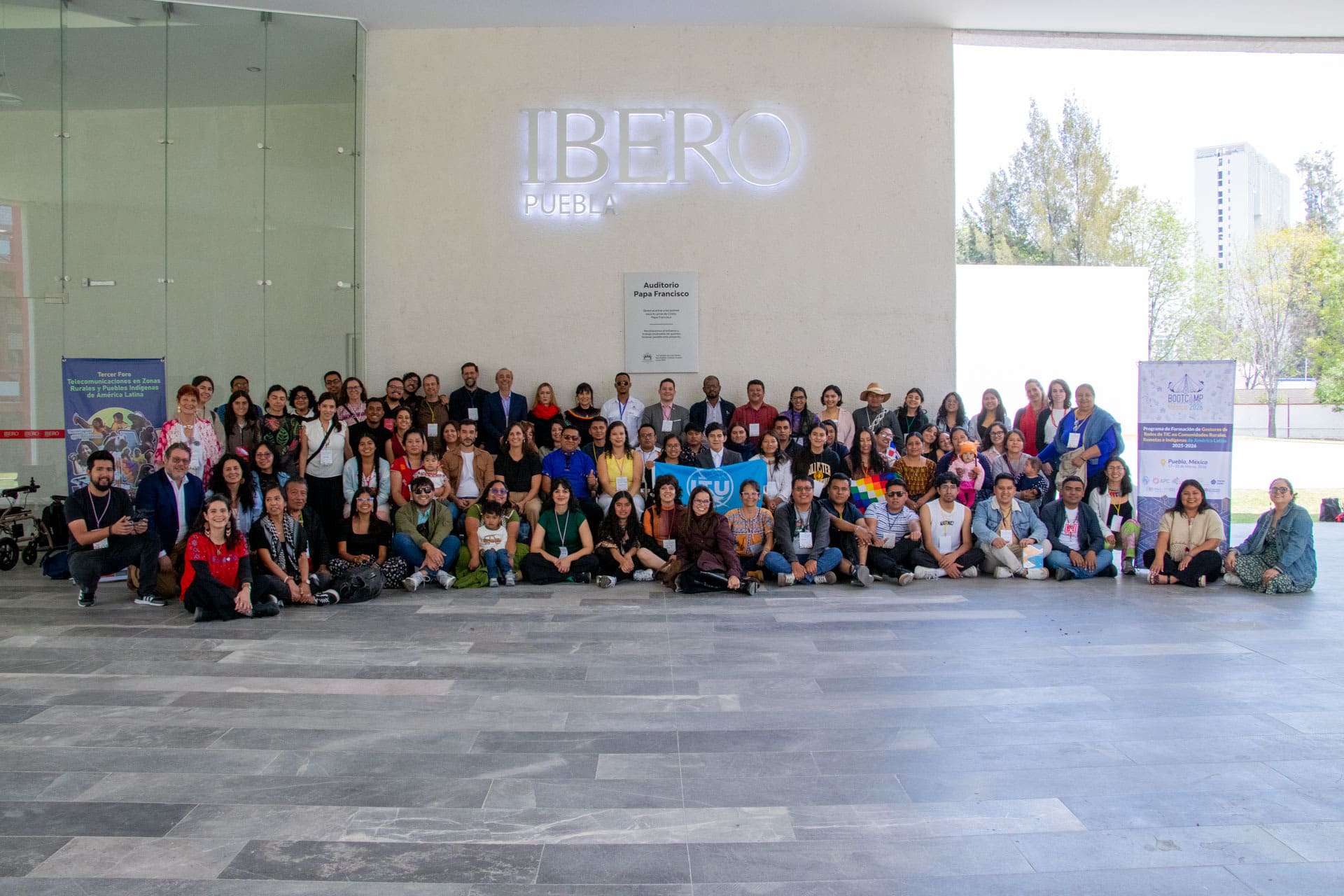
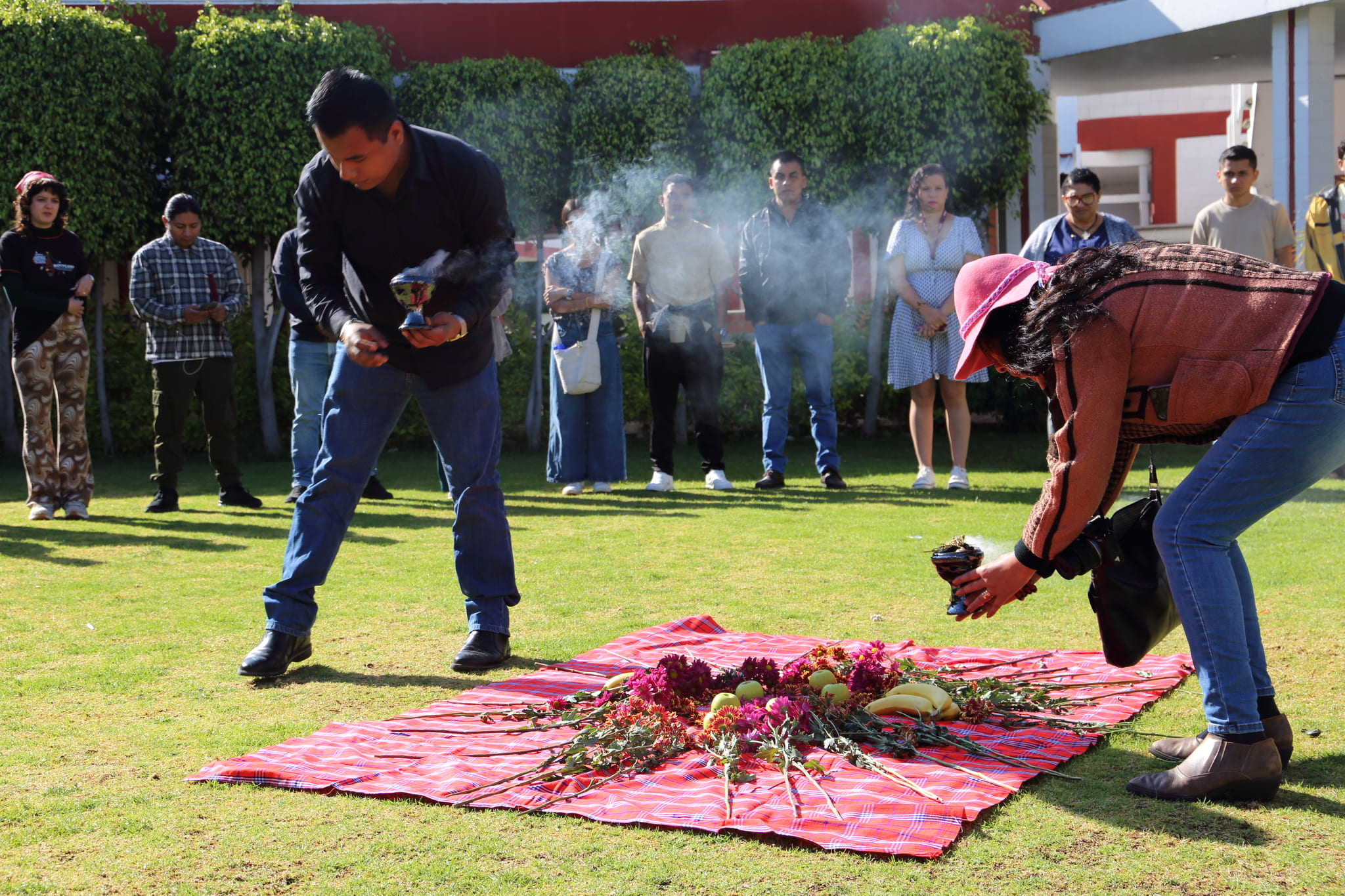
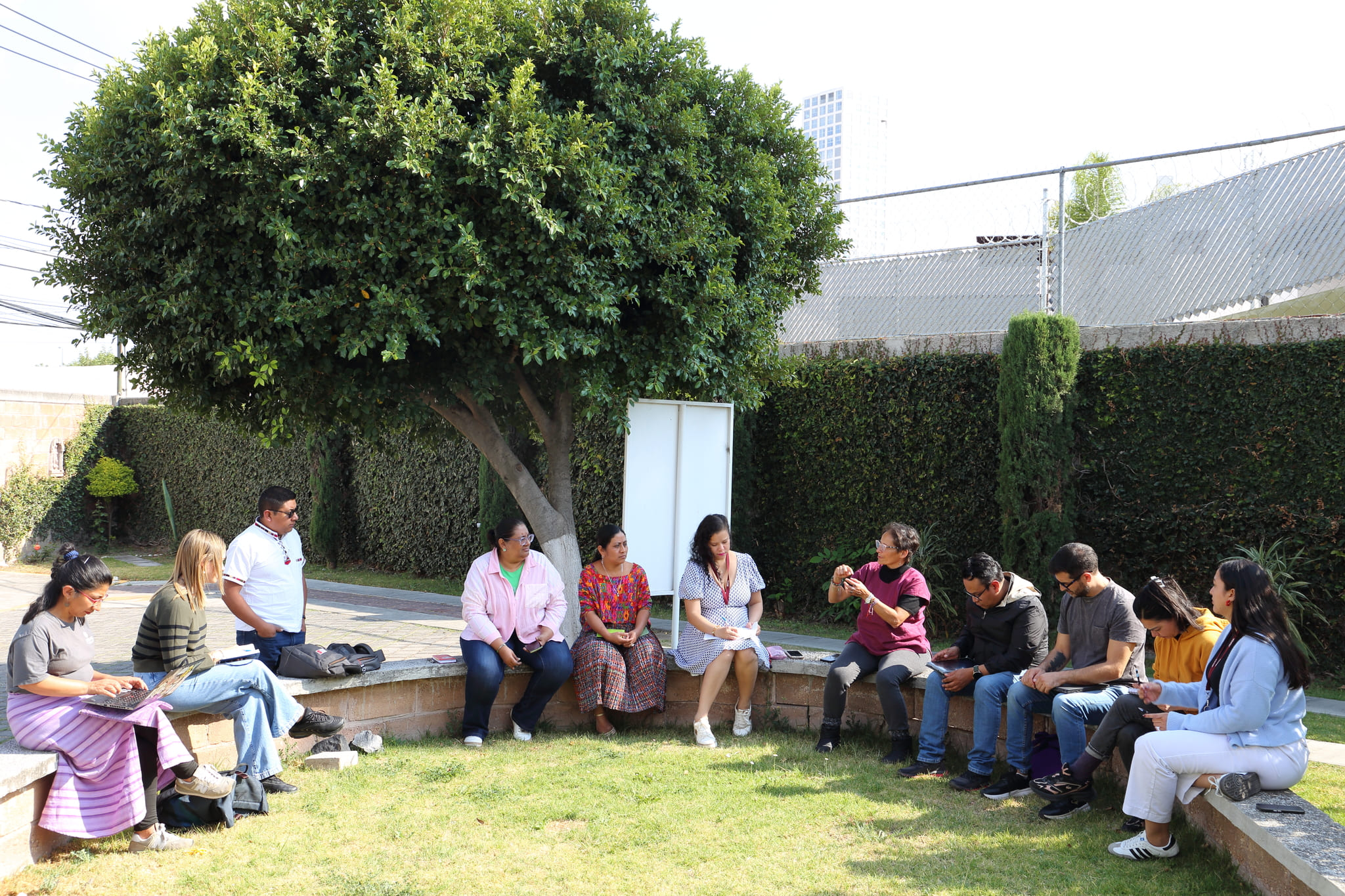
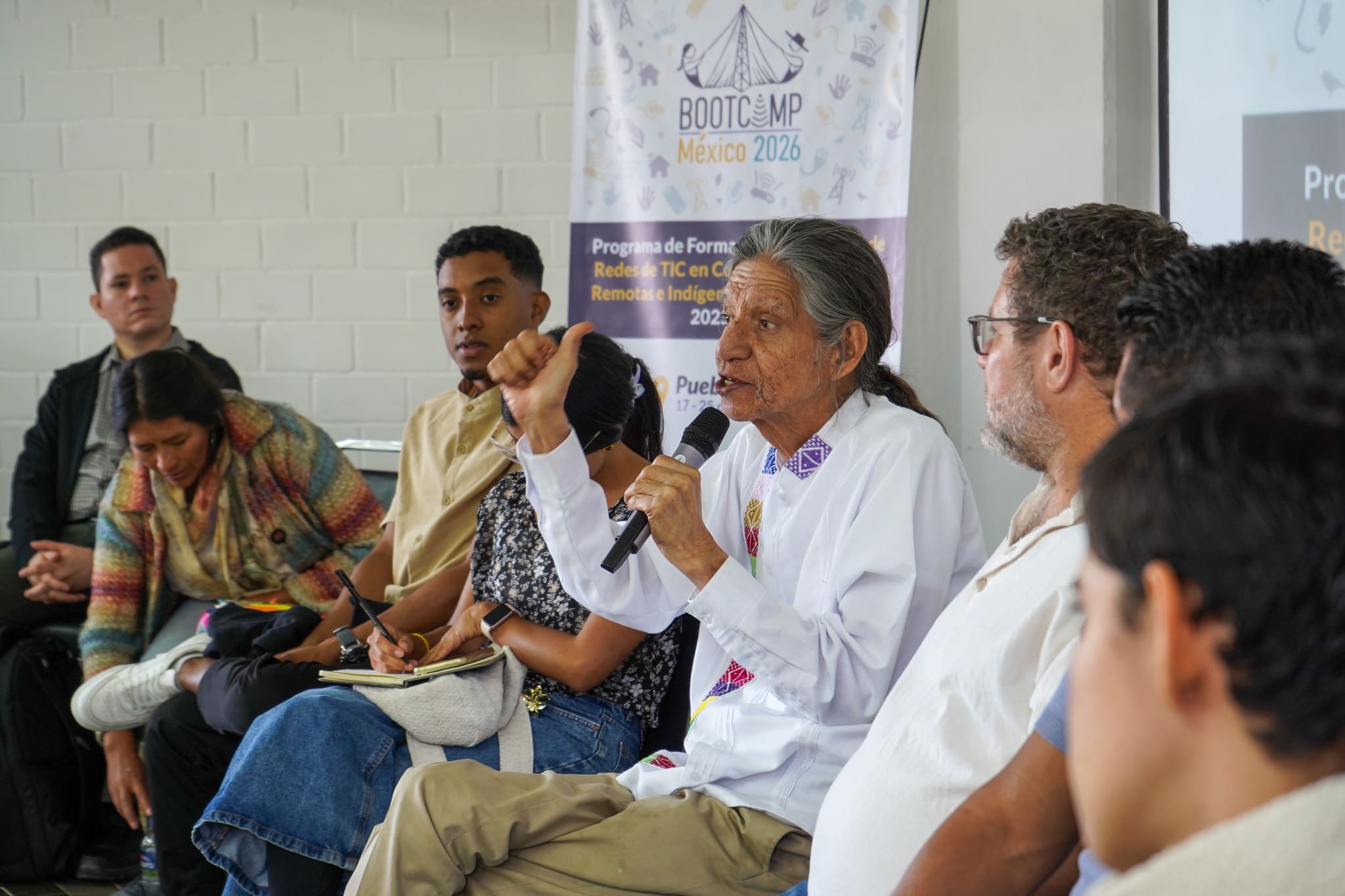
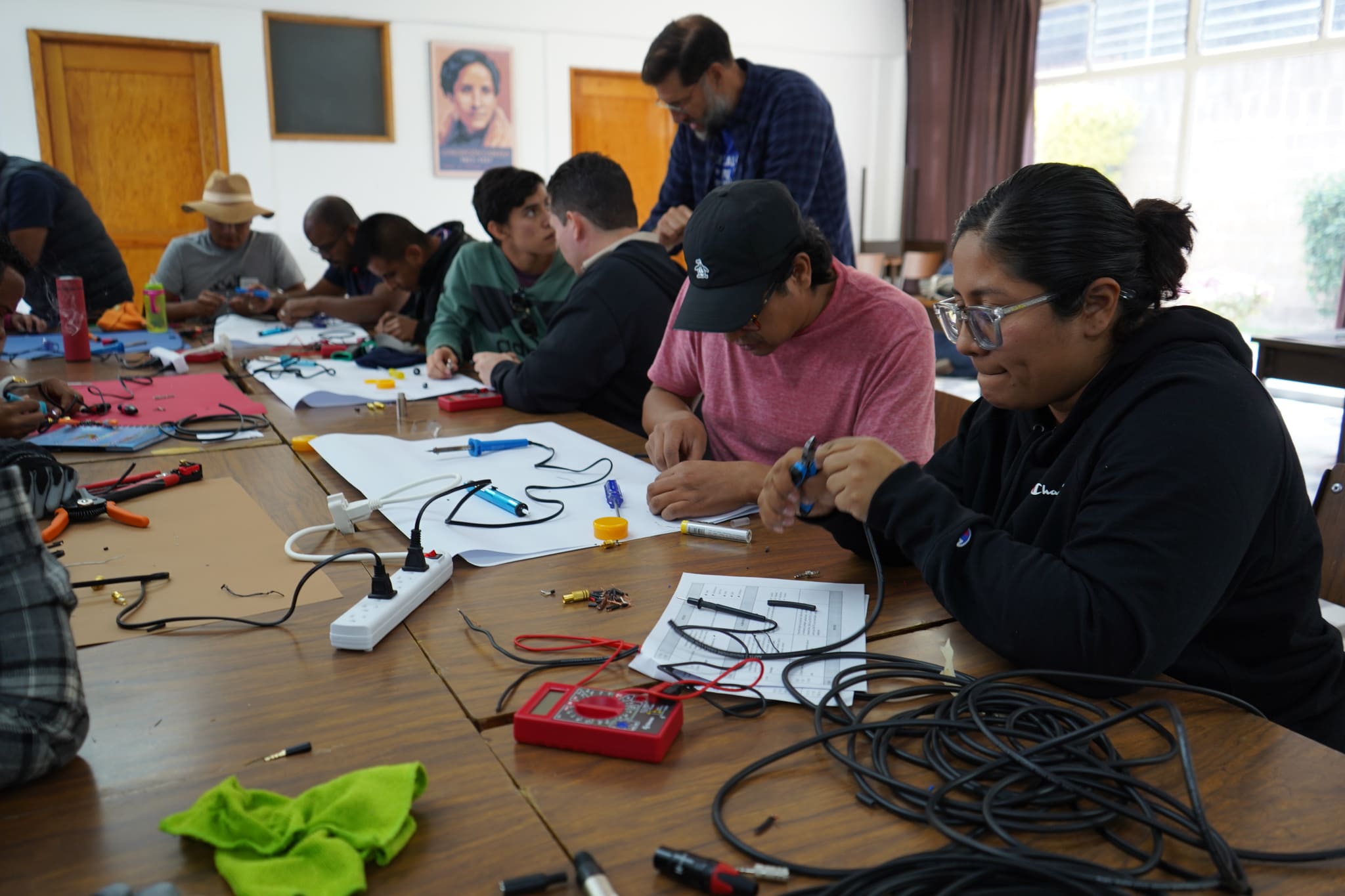
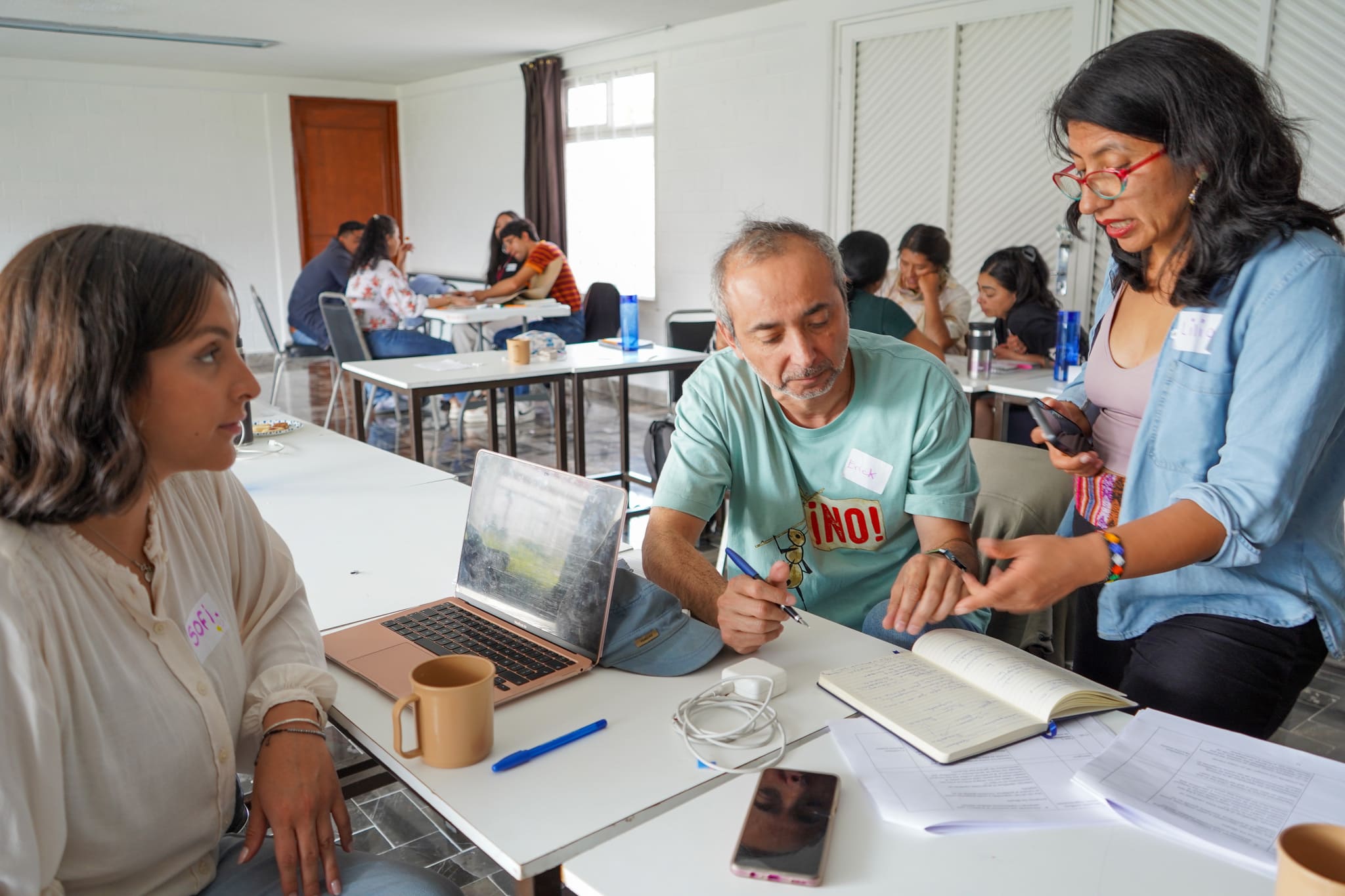
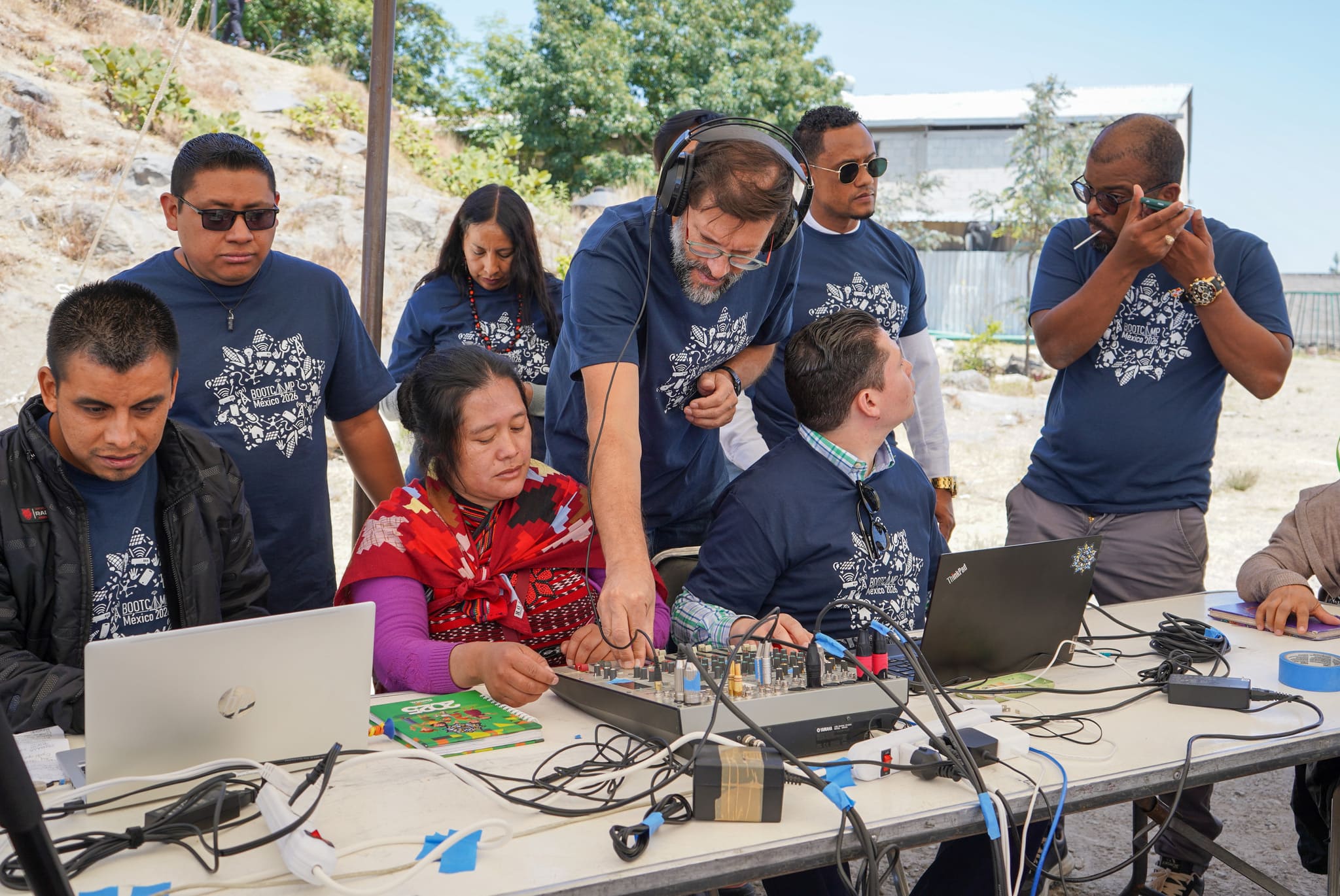
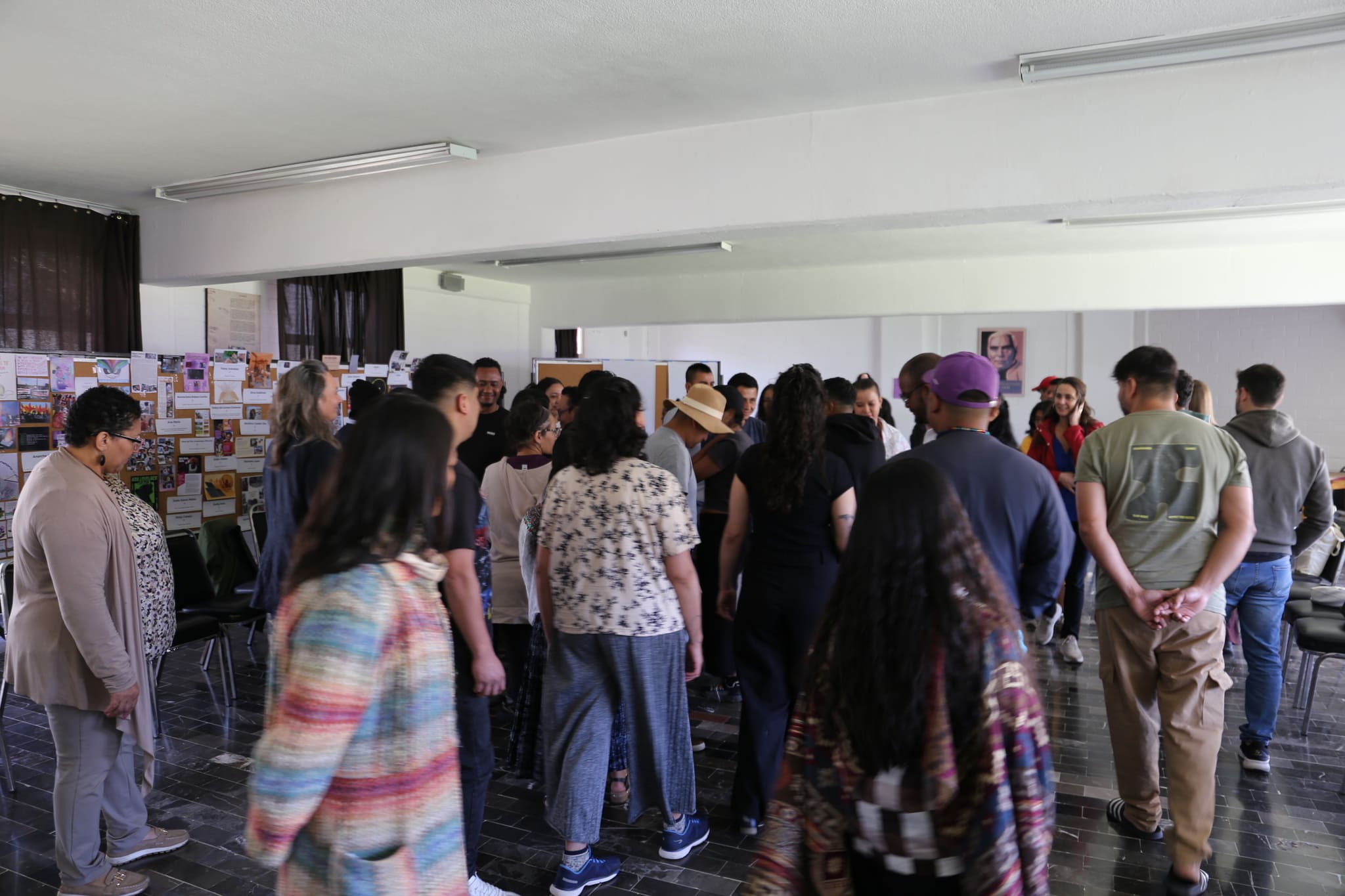
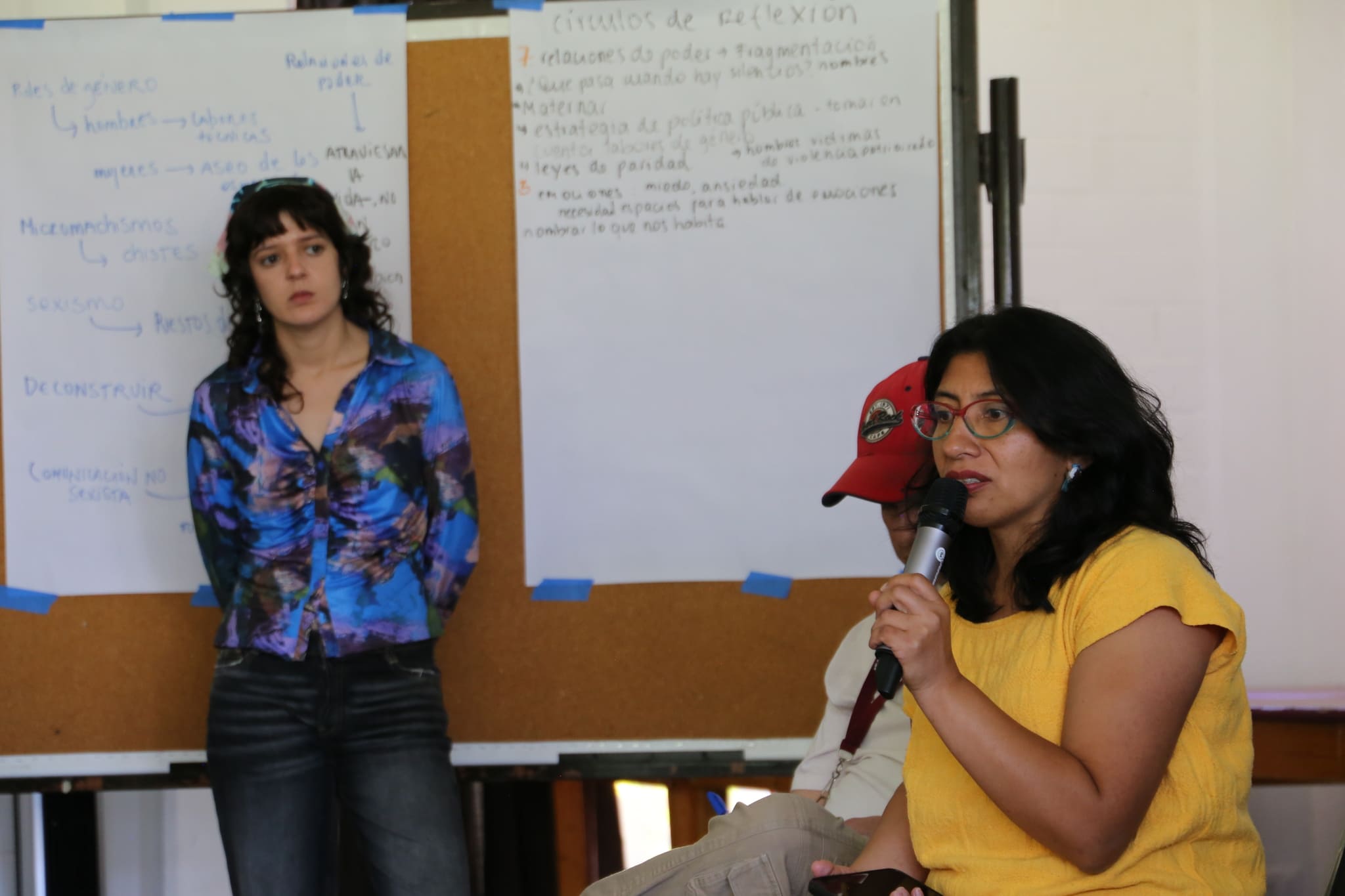
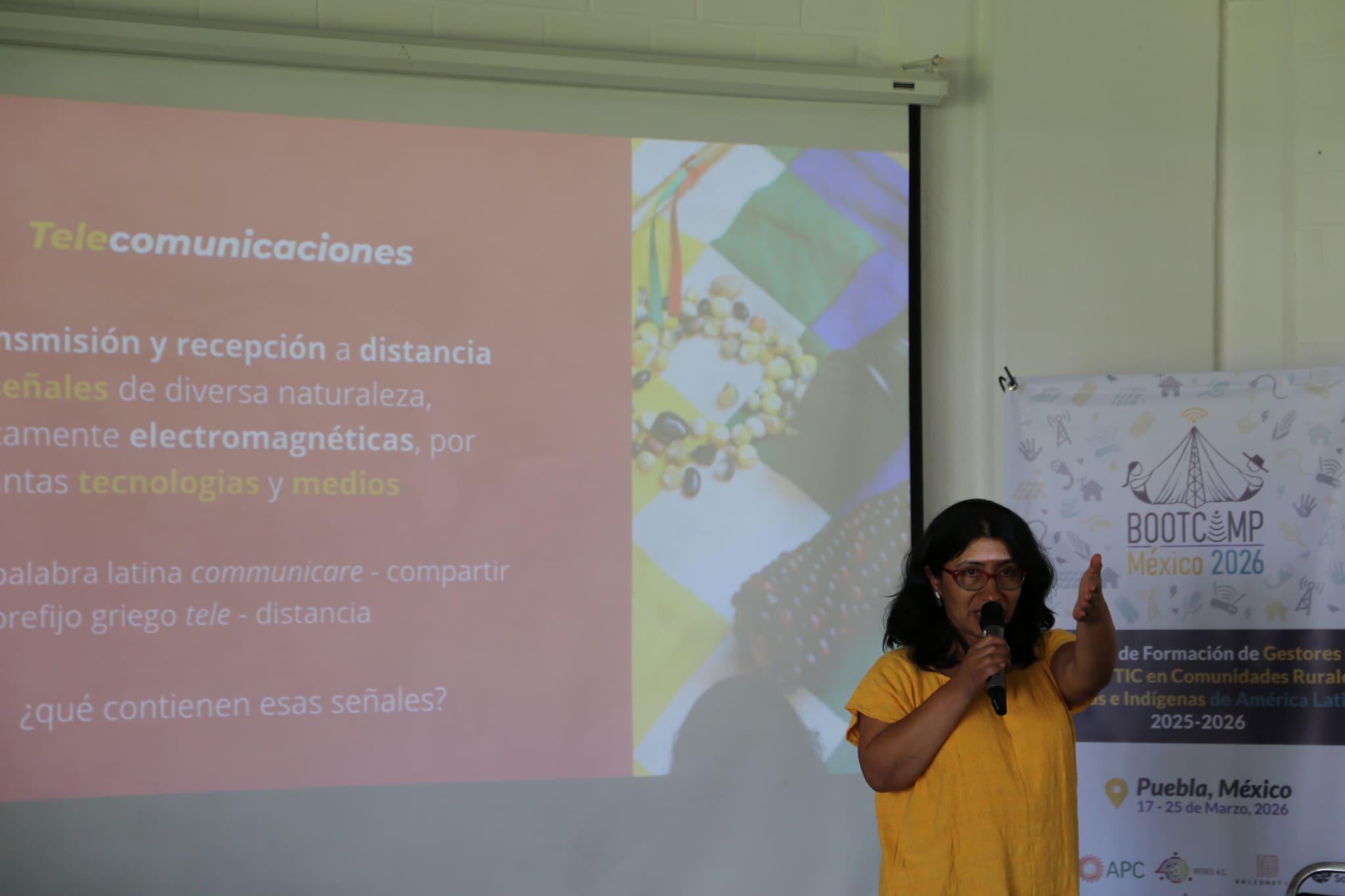
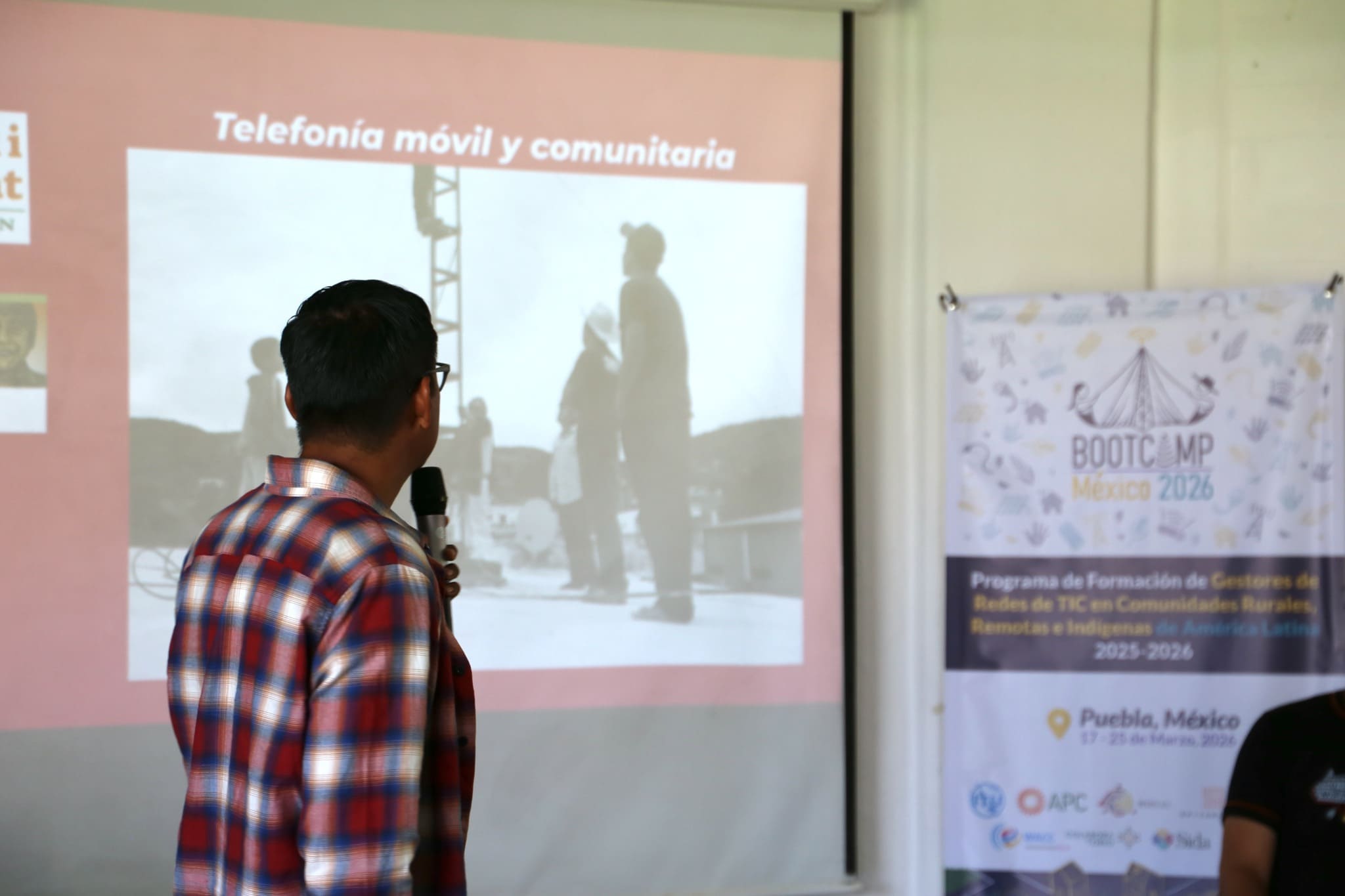
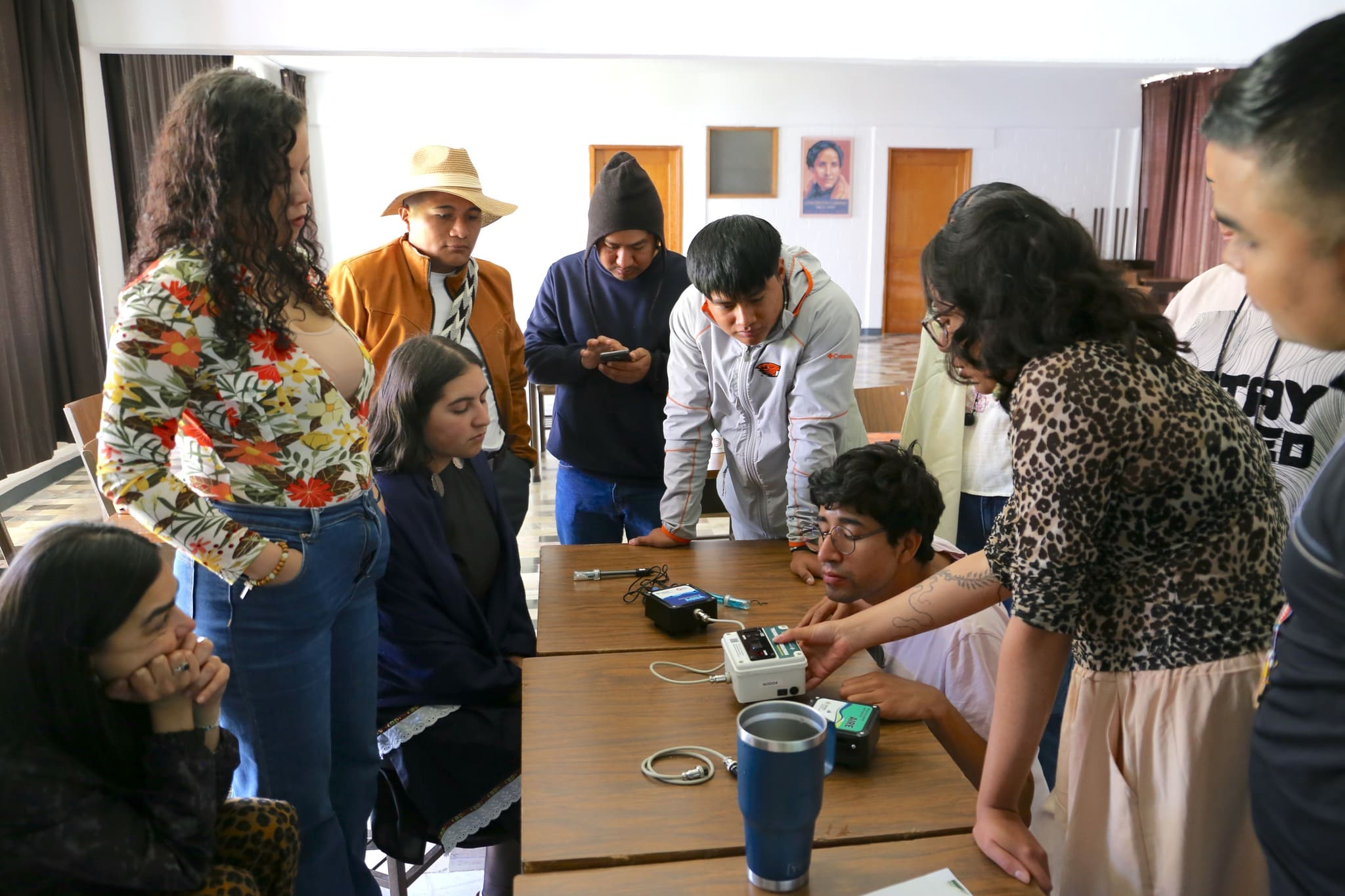
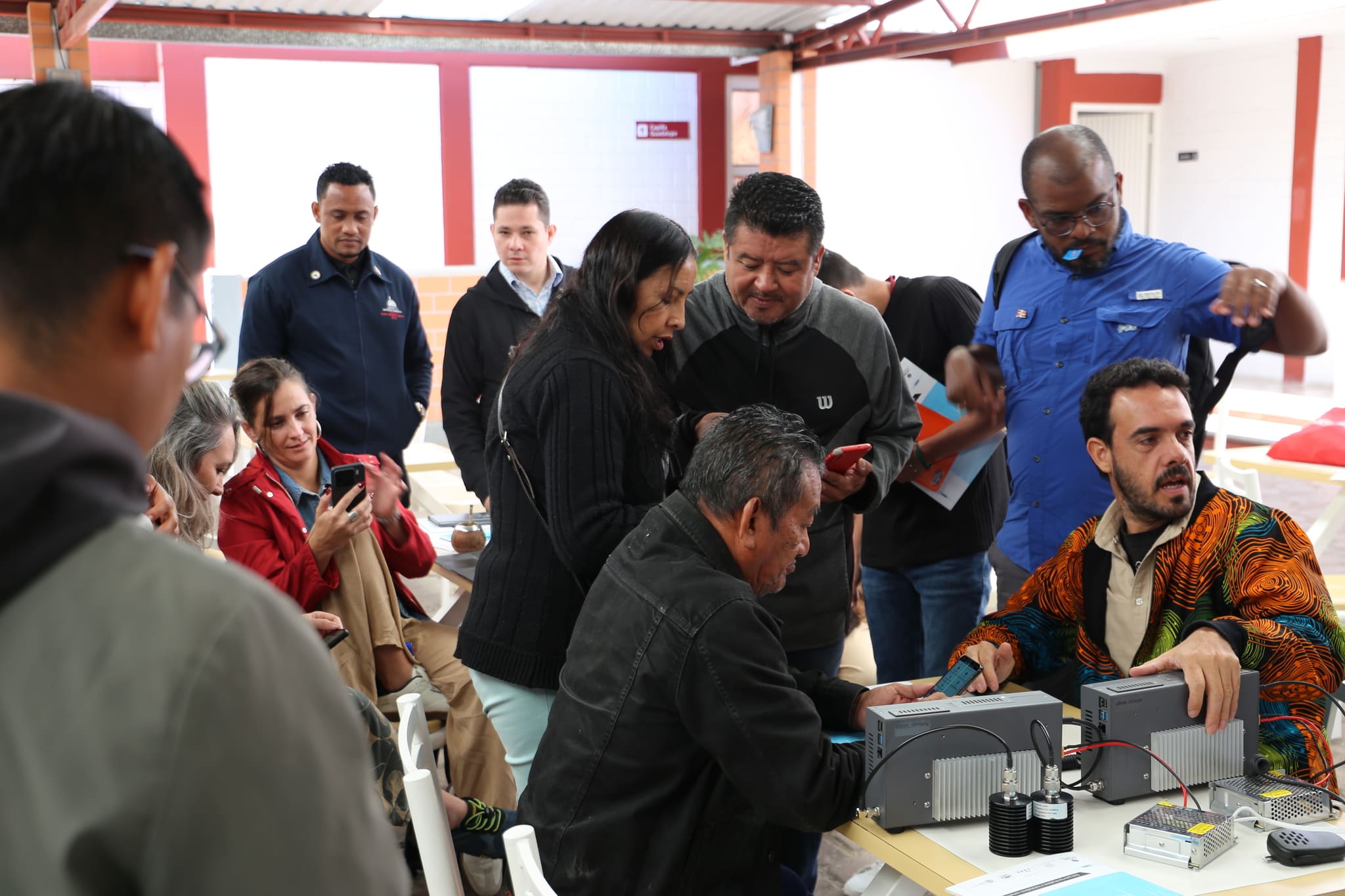
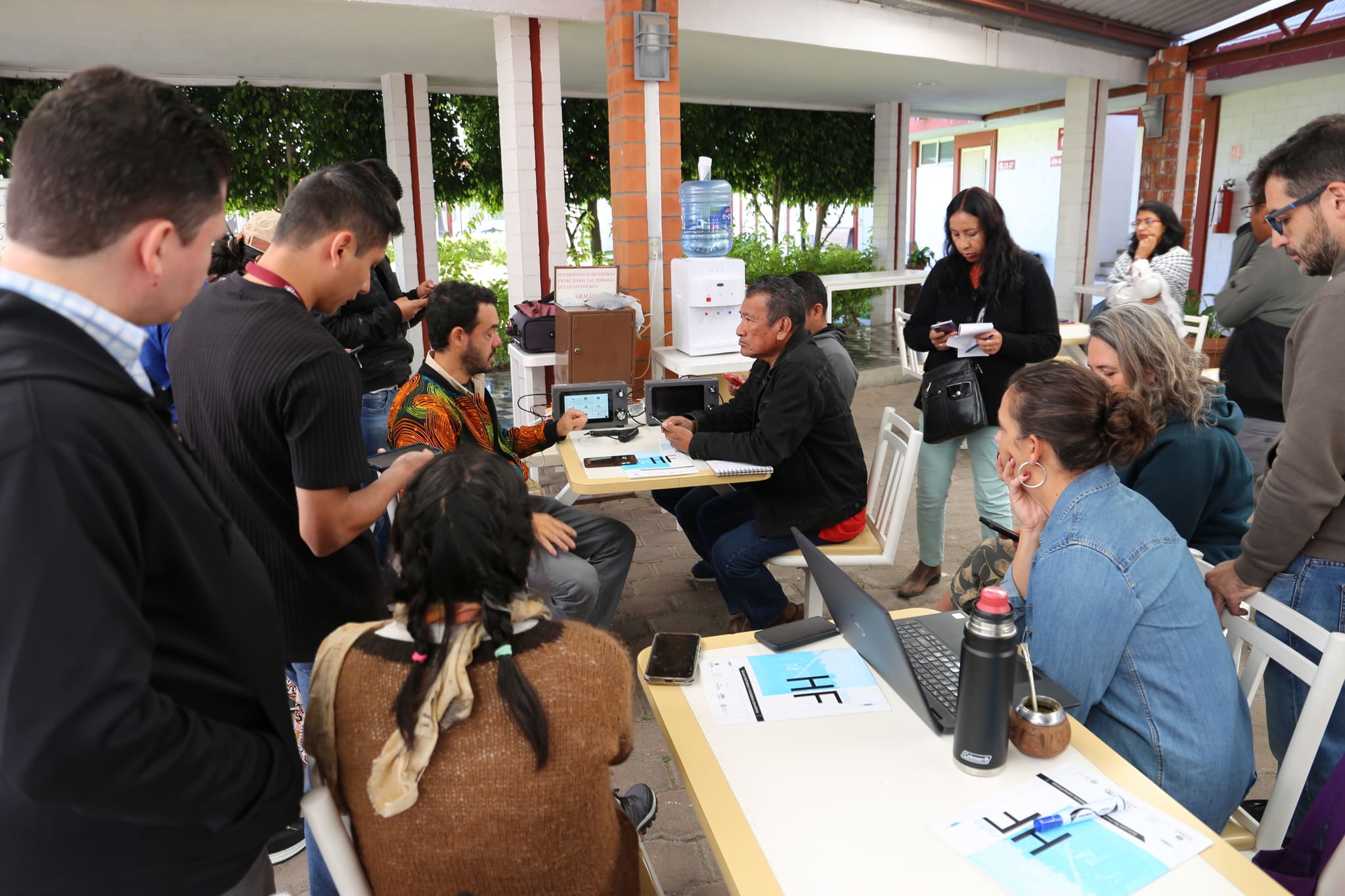
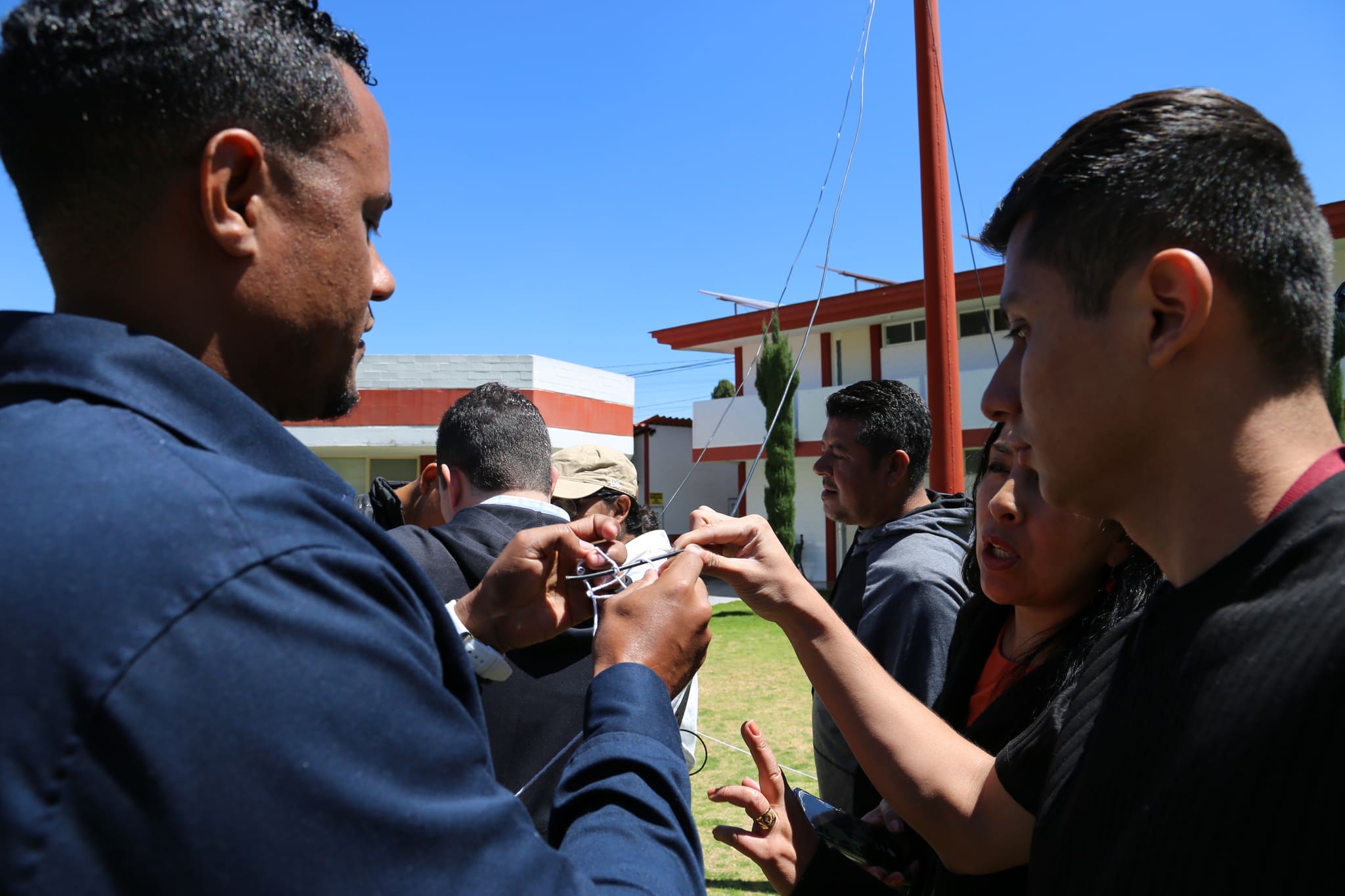
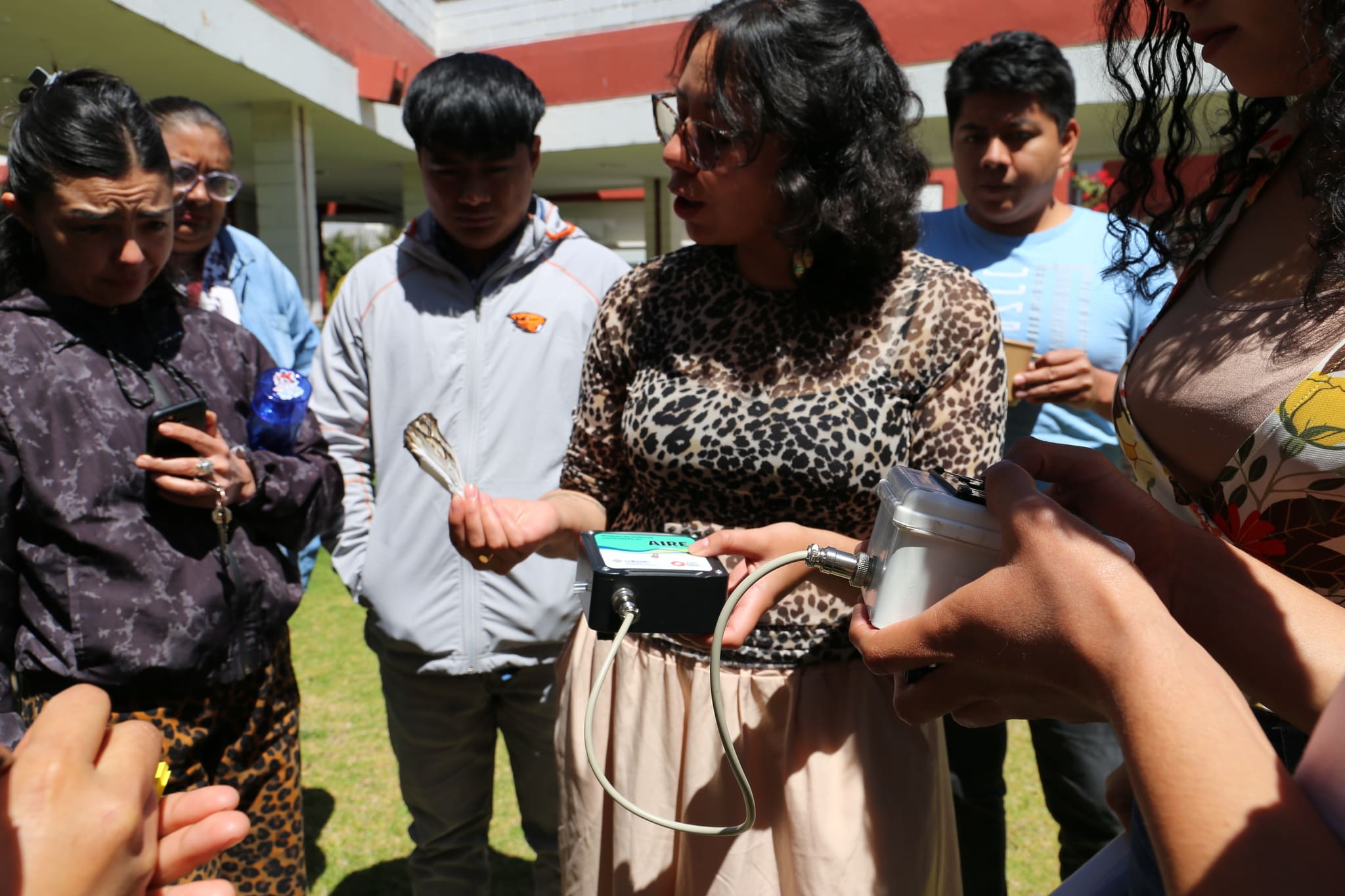
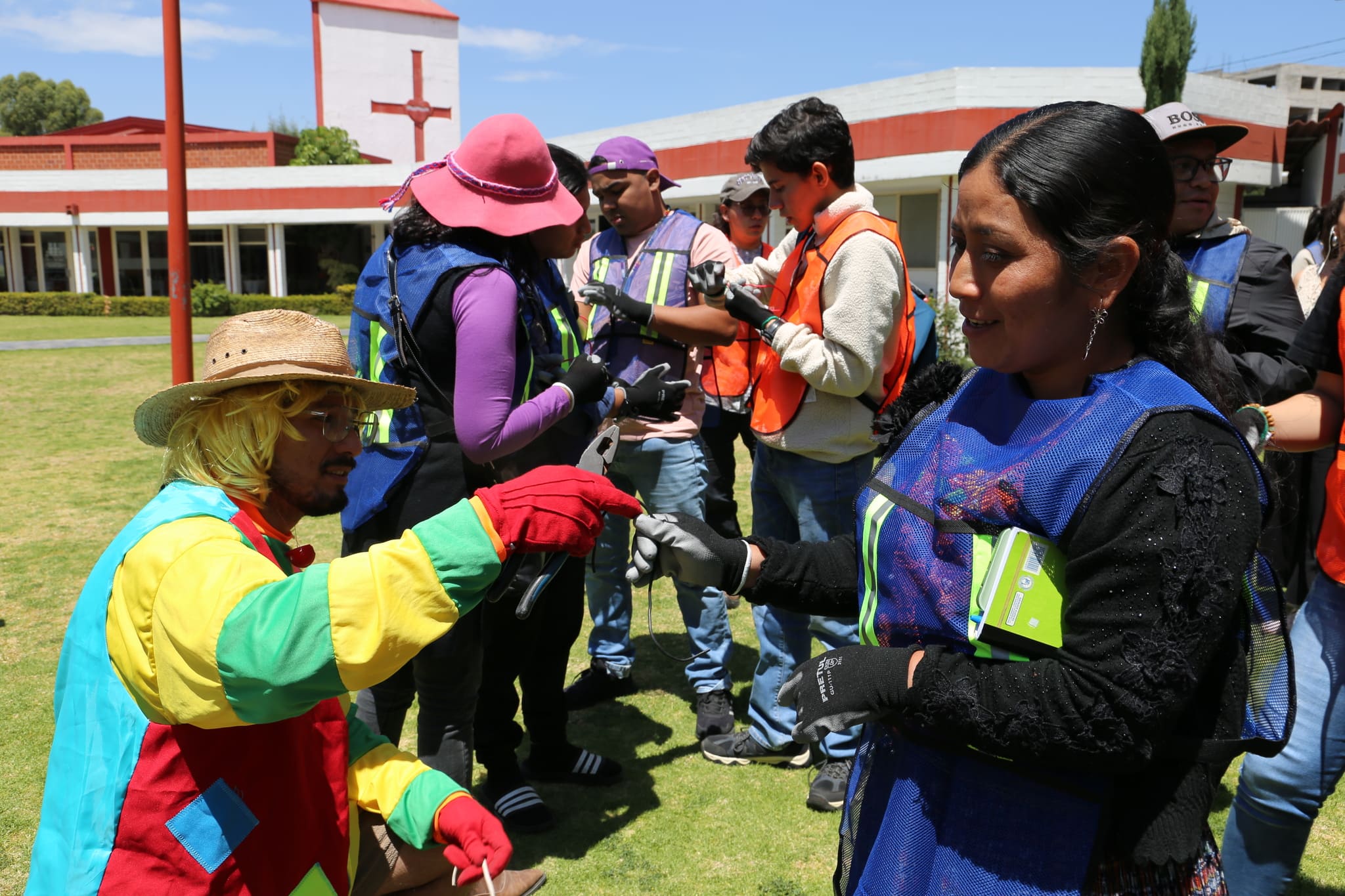
The in-person Bootcamp took place in Puebla, Mexico, from 17–26 March 2026, bringing together participants from across Latin America for ten days of practical, collaborative learning.
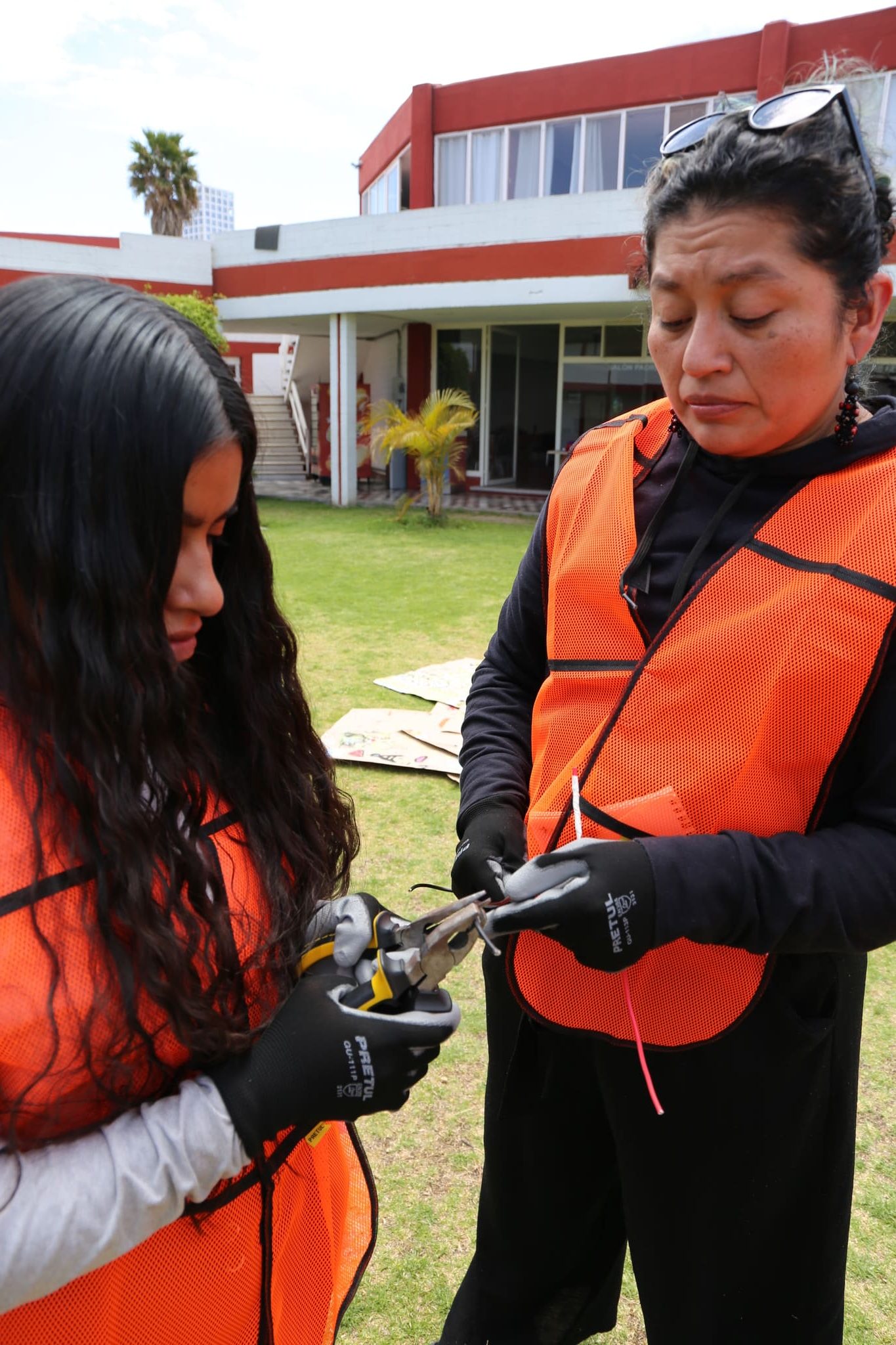
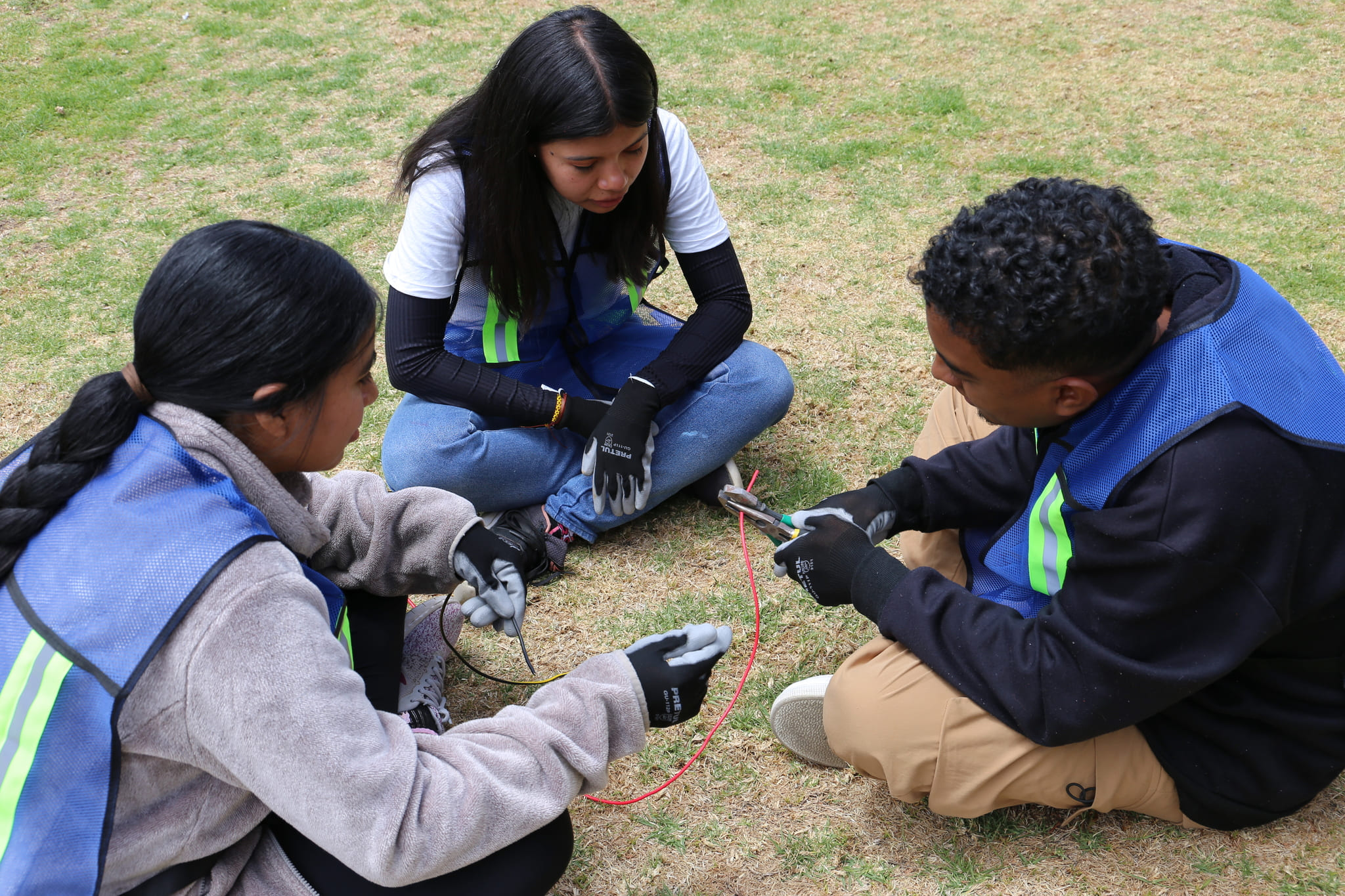
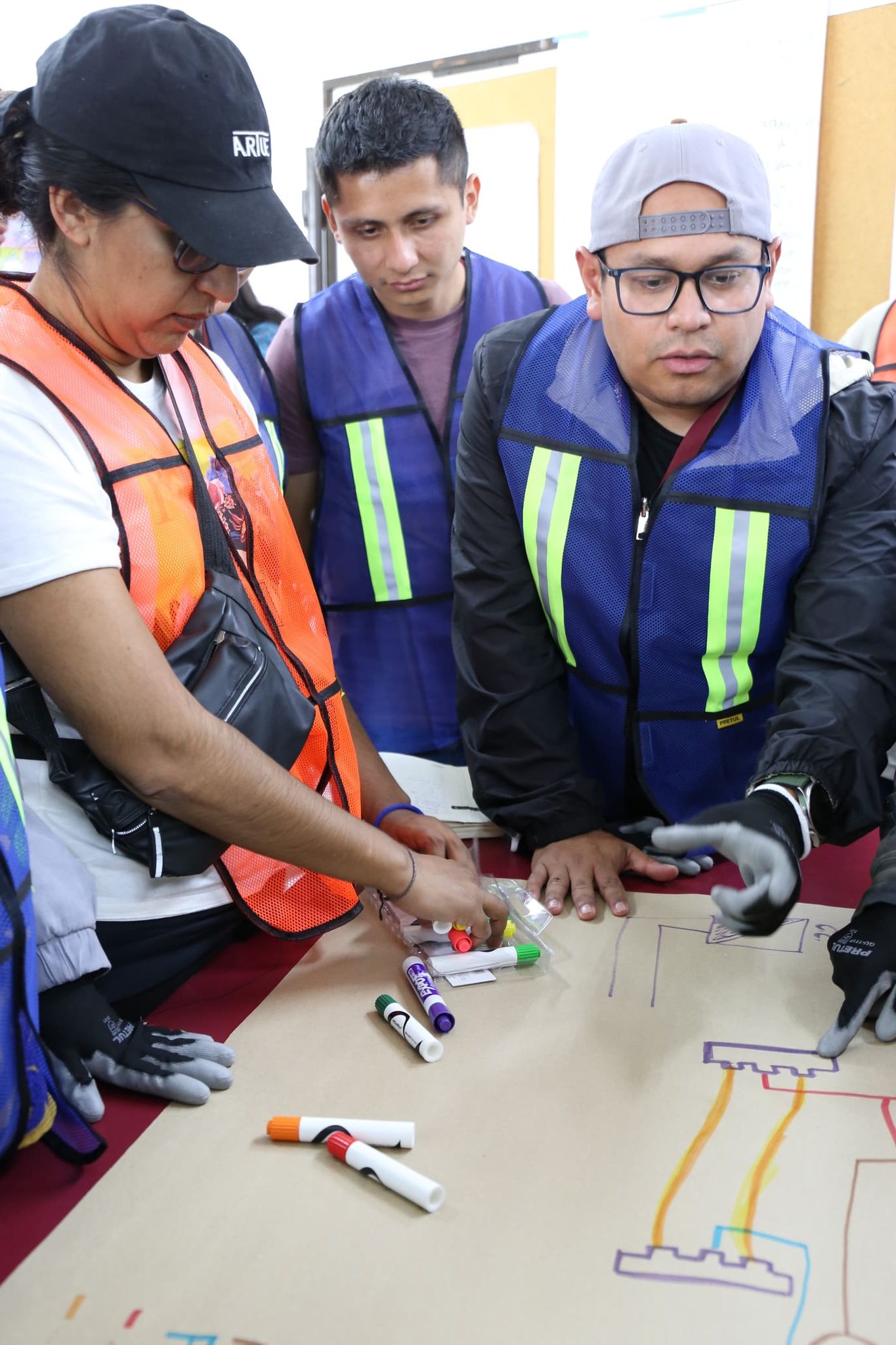
Participants strengthened their skills through technical workshops, specialization tracks, field-based activities, peer exchange, and the Third Forum on Telecommunications in Rural and Indigenous Areas.